
Introduction: The Indoor Herb Struggle is Real (and Solvable!)
If you're anything like I was when I first traded my keyboard for a trowel five years ago, you've probably stared forlornly at a wilting basil plant on your kitchen windowsill, wondering where you went wrong. You brought it home from the supermarket, full of hope, maybe even snipped a few leaves for a quick pasta, and then... nothing. Just a slow, sad decline into crispy oblivion. Trust me, I’ve been there. My first few attempts at indoor herbs here in my Midlands home were, to put it mildly, a bit of a disaster. My windowsill looked less like a vibrant herb garden and more like a plant graveyard, especially during those notoriously gloomy British winters.
But here's the good news: the indoor herb struggle is real, but it’s absolutely solvable! What I’ve learned in my 5+ years of intensive gardening, moving from an IT desk to an 800 sq ft backyard packed with raised beds and a greenhouse, is that growing culinary herbs indoors isn't about having a "green thumb"—it's about understanding their specific needs and mimicking their natural environment as best we can, especially when battling our often-unpredictable UK climate. It's like debugging a computer program, but way more rewarding!
I've experimented with countless varieties and setups, from fancy grow lights in my utility room to simply trying to coax life out of a supermarket pot on the kitchen sill. And through all the trials, errors, and glorious successes, I've figured out the real secrets to keeping basil, mint, and rosemary not just alive, but actually thriving indoors, ready for your next culinary adventure. This guide is born from countless hours spent observing, adjusting, and learning the hard way right here in my UK garden. So, let’s stop the herb-icide and start growing!
The Big Three: Light, Water, and Soil Secrets for All Your Herbs
Before we dive into the quirks of individual herbs, let's lay the groundwork. Regardless of whether you're growing basil, mint, or rosemary, there are three fundamental pillars of success: light, water, and soil. Get these wrong, and no amount of specific care will save your plants. I learned this the hard way, thinking a sunny UK windowsill was enough—it often isn't, especially from October to March!
Light: The Lifeline Your Herbs Desperately Need
For a long time, I underestimated just how much light herbs really need, particularly when they're cooped up inside. Here in the UK, especially during autumn and winter, natural light can be incredibly scarce and weak. A "bright" windowsill might only get a few hours of indirect light, which is simply not enough for most sun-loving herbs. I've found that this is often the number one killer of indoor herbs for us British gardeners.
My outdoor raised beds get full sun for most of the day, and my greenhouse is practically a solar oven for my heirloom tomatoes. But indoors, it’s a different story. Most culinary herbs, basil especially, crave at least 6-8 hours of direct, intense light daily. Without it, they become leggy, pale, and eventually give up the ghost.
My Solution: About three years ago, after one too many sad basil plants, I invested in a simple LED grow light setup. It transformed my indoor herb game. I use a full-spectrum LED bar light, usually around 20-30 watts, suspended about 6-12 inches above my plants. I run it on a timer for 12-14 hours a day during the darker months. This mimics the long, bright days they'd enjoy in their native climates. It’s an absolute game-changer, especially for us here in the UK where natural light can be so unreliable. Even a south-facing window often isn't enough when the sky is perpetually grey!

Water: The Delicate Balance Between Drowning and Dehydration
Watering seems simple, right? Just add water. But it's actually one of the trickiest aspects of indoor gardening, and it’s where many UK gardeners (myself included in my early days!) make fatal mistakes. Overwatering leads to root rot, suffocating the roots and causing the plant to wilt, often mistaken for underwatering. Underwatering, on the other hand, causes crispy leaves and stunted growth. The key is consistency and understanding what your plant needs at that moment.
I've learned to use my finger as my primary watering gauge. I stick it about an inch or two into the soil. If it feels dry, it's time to water. If it's still damp, I wait. Another trick I use, especially for smaller pots, is to feel the weight of the pot. A dry pot is surprisingly light, while a well-watered one feels significantly heavier. When I do water, I water thoroughly until it drains out the bottom, then I ensure the pot isn't sitting in standing water. Good drainage is non-negotiable! I always use pots with drainage holes and a saucer underneath. Our UK tap water is generally fine, but if you're in a hard water area, letting it sit out for 24 hours can help dissipate chlorine, though I've personally not found it to be a major issue for herbs.
Soil: The Foundation for Healthy Roots
You wouldn't build a house on quicksand, and you shouldn't grow herbs in poor soil. The right potting mix is crucial for providing aeration, drainage, and nutrients. One mistake I made early on was trying to use garden soil indoors. It compacts, holds too much water, and often brings in pests. Not ideal!
For indoor herbs, I always use a high-quality, peat-free potting mix specifically designed for containers. Look for one that’s well-draining but also retains some moisture and has a good structure. I often mix in a bit of perlite (about 10-20% by volume) to ensure extra aeration and drainage, especially for herbs like rosemary that absolutely despise wet feet. This mix allows roots to breathe, prevents waterlogging, and provides a stable environment for growth. I also ensure my pots are appropriately sized – not too big, not too small – to prevent the soil from drying out too quickly or staying too soggy. For most herbs, a 6-8 inch pot is a good starting point, allowing room for growth without excessive soil that could lead to overwatering issues.
Here's a quick overview of these foundational elements:
| Aspect | Ideal Conditions for Indoor Culinary Herbs (General) | Randy's UK Garden Experience & Advice |
|---|---|---|
| Light | 6-8+ hours direct, intense light daily | Absolutely crucial in the UK. South-facing window often insufficient. Invest in a 20-30W full-spectrum LED grow light, 12-14 hours/day, 6-12 inches above plants. |
| Water | Consistent moisture, never waterlogged or bone dry; allow top inch or two to dry out. | Finger test (1-2 inches deep) or pot weight. Water thoroughly until drainage, empty saucers. Good drainage holes are a must. Our UK tap water is generally okay. |
| Soil | Well-draining, aerated, nutrient-rich potting mix. | High-quality peat-free potting mix. Add 10-20% perlite for extra drainage/aeration. Avoid garden soil. Use appropriate pot size (e.g., 6-8 inch for most). |
| Pots | Pots with drainage holes, terracotta or plastic. | Terracotta breathes better (good for rosemary), plastic retains moisture longer (good for basil/mint). Always have drainage! |
| Temp. | Consistent room temperature (18-24°C / 65-75°F). | Keep away from cold UK drafts, especially in winter. Avoid placing directly above radiators. My utility room setup is usually around 20°C. |
Tailoring Your Care: Basil, Mint, and Rosemary's Unique Demands
Now that we’ve covered the universal truths, let's get specific. While light, water, and soil are critical for all, basil, mint, and rosemary each have their own distinct preferences. Ignoring these individual needs is like trying to feed a cat dog food – it just won't end well! I've learned to appreciate their little quirks, and accommodating them is the secret to a truly thriving indoor herb collection.
Basil: The Warmth-Loving Drama Queen
Ah, basil! The king of pesto, but often the queen of drama indoors. Basil (I usually grow 'Sweet Genovese' or 'Dark Opal' here in the UK) is a warmth-loving herb from tropical regions, and it absolutely detests cold. It's the first to throw a tantrum if the temperature drops, or if it catches a draft from an open window on a chilly British day. I've had entire pots collapse overnight just from a sudden cold snap in my kitchen.
Specific Care:
- Temperature: Basil needs consistent warmth, ideally 20-25°C (68-77°F). Keep it away from cold windowsills in winter and out of drafts. My utility room, kept at a steady 20°C, is its happy place.
- Watering: It likes consistently moist soil, but never soggy. Let the top inch dry out, then water. It will wilt dramatically if it gets too dry, but usually perks up quickly after watering. Don't let it sit in standing water; that's a recipe for root rot.
- Light: Basil is a true sun worshipper. It needs 6-8 hours of direct, intense light. My grow light setup is non-negotiable for basil during the UK's shorter, darker days. Without it, it gets leggy and spindly.
- Pruning: This is crucial for bushy growth. Pinch off the top two sets of leaves just above a node regularly, especially once the plant has 6-8 true leaves. This encourages side shoots and prevents it from flowering prematurely, which turns the leaves bitter. I do this religiously every week or two, which keeps my 'Sweet Genovese' productive for months.
Mint: The Thirsty, Rambling Enthusiast
Mint is perhaps the easiest of the three to keep alive, but it comes with its own set of challenges – mainly its enthusiastic, rambling nature! Varieties like 'Spearmint' and 'Peppermint' are incredibly vigorous growers, and if you're not careful, they'll try to take over your entire windowsill, or even escape their pot.
Specific Care:
- Containment: Always, always grow mint in its own pot. If you try to mix it with other herbs, it will quickly outcompete and suffocate them. I learned this the hard way when a single mint runner escaped its pot and tried to colonise a neighbouring basil plant!
- Watering: Mint is a thirsty plant and prefers consistently moist soil. It can tolerate a bit more moisture than basil or rosemary, but still dislikes being waterlogged. I often find myself watering my mint pots every other day during warmer periods or when they're under the grow lights for longer.
- Light: Mint is more forgiving with light than basil. It thrives in bright, indirect light but can tolerate partial shade. However, for lush, vigorous growth indoors, I still aim for 4-6 hours of good light, often supplementing with my grow light in winter.
- Pruning: Regular harvesting is key to keeping mint bushy and preventing it from becoming leggy. Pinch off stems just above a leaf node, and don't be afraid to give it a good trim when it starts looking unruly. This also encourages new, fresh growth.
Rosemary: The Drought-Tolerant Mediterranean Elder
Rosemary, with its fragrant, needle-like leaves, conjures images of sun-drenched Mediterranean hillsides. This tells you a lot about its preferences: it loves sun and hates wet feet. This makes it a bit different from basil and mint, and often the reason why many UK gardeners struggle, as our natural inclination is often to overwater.
Specific Care:
- Watering: This is the most critical point for rosemary. It absolutely despises soggy soil and is highly susceptible to root rot. Allow the soil to dry out almost completely between waterings. When you do water, do so thoroughly, but then ensure excellent drainage. I use terracotta pots for my rosemary as they allow the soil to dry out more quickly than plastic. This is vital in our often damp British climate.
- Light: Rosemary needs as much direct sunlight as you can give it indoors – 6-8+ hours is ideal. Place it in your brightest, sunniest window, or under a grow light. Without sufficient light, it will become sparse and leggy.
- Soil: It prefers lean, well-draining soil. My standard potting mix with an extra helping of perlite (around 25-30%) works perfectly. Avoid rich, heavy composts.
- Pruning: Prune regularly to maintain shape and encourage bushiness. You can harvest sprigs as needed, but avoid taking more than a third of the plant at once. Rosemary can also be lightly pruned to shape it into a small bush or even a topiary if you're feeling fancy.
Here’s a comparison table to help you keep track of these unique demands:
| Feature | Basil | Mint | Rosemary |
|---|---|---|---|
| Native | Tropical/Subtropical Asia/Africa | Europe/Asia | Mediterranean |
| Light | High (6-8+ hrs direct, intense) | Medium-High (4-6+ hrs direct/indirect) | High (6-8+ hrs direct, intense) |
| Water | Consistently moist, but not soggy | Consistently moist, thirsty | Dry out almost completely between waters |
| Soil | Well-draining, fertile, good moisture retention | Well-draining, rich, good moisture retention | Lean, very well-draining (add extra perlite) |
| Temp. | Warm (20-25°C / 68-77°F); hates drafts | Moderate (18-24°C / 65-75°F) | Moderate (18-24°C / 65-75°F), can tolerate cooler |
| Pots | Plastic or terracotta; good drainage | Own pot (invasive); plastic or terracotta | Terracotta preferred for faster drying; excellent drainage |
| Pruning | Pinch regularly above nodes to encourage bushiness & prevent flowering | Harvest frequently to encourage bushiness; can prune hard | Prune to maintain shape, harvest sprigs; avoid taking too much at once |
| My UK Tip | Crucial grow light in winter; keep away from cold windows/drafts. | Always in its own pot! Very forgiving but needs space. | Terracotta pot & err on the side of underwatering. |
Spotting the Enemy: Common Pests and Diseases (and How to Fight Them)
Even with perfect light, water, and soil, sometimes things go awry. Indoor plants, despite being sheltered, can still fall victim to pests and diseases. The key, as I've learned in my 5+ years of battling everything from slugs in my raised beds to blight in my greenhouse tomatoes, is early detection and consistent action.
The Usual Suspects: Pests
Indoor conditions can often be ideal for certain pests, especially if the air is dry. Here are the common ones I’ve encountered and how I deal with them in my UK home:
Aphids: These tiny green, black, or brown sap-suckers are probably the most common pest I find on my indoor herbs, especially basil. They cluster on new growth and the undersides of leaves, leaving behind sticky honeydew.
- My Battle Plan: As soon as I spot them (and I check my plants regularly!), I take the plant to the sink and blast them off with a strong spray of water. For a more persistent infestation, I use a homemade insecticidal soap spray (a few drops of mild washing-up liquid mixed with water) every few days. I've found that early detection is critical, as they multiply incredibly fast.

- My Battle Plan: As soon as I spot them (and I check my plants regularly!), I take the plant to the sink and blast them off with a strong spray of water. For a more persistent infestation, I use a homemade insecticidal soap spray (a few drops of mild washing-up liquid mixed with water) every few days. I've found that early detection is critical, as they multiply incredibly fast.
Spider Mites: These tiny arachnids thrive in dry conditions. You might first notice fine webbing on your plants, especially between leaves and stems, and then tiny red or brown specks moving about. They suck the sap, causing leaves to become stippled, discoloured, and eventually drop.
- My Battle Plan: Increasing humidity can help deter them, so I sometimes mist the leaves (avoiding basil, which doesn't like wet leaves). For an active infestation, I use the same insecticidal soap spray as for aphids, ensuring to get the undersides of leaves. Regular wiping of leaves with a damp cloth also helps.
Fungus Gnats: These annoying little flies are usually a sign of overwatering. Their larvae live in the soil and feed on fungi, organic matter, and sometimes even delicate roots.
- My Battle Plan: The best defence is prevention: don't overwater! Let the top inch or two of soil dry out completely between waterings. If you already have them, yellow sticky traps can catch the adults, and allowing the soil to dry out more will kill off the larvae. Sometimes, a thin layer of sand or diatomaceous earth on top of the soil can also deter them.
Common Diseases and Other Issues
While pests are usually visible, diseases can be trickier. Most indoor herb diseases are related to environmental stress.
Root Rot: This is by far the most common disease I've seen in indoor herbs, almost always caused by overwatering and poor drainage. Symptoms include wilting, yellowing leaves, stunted growth, and a foul smell from the soil.
- My Battle Plan: Prevention is key: proper watering techniques and excellent drainage. If you suspect root rot, immediately unpot the plant, inspect the roots (healthy roots are white and firm, rotted ones are brown/black and mushy), trim away any affected roots, and repot into fresh, well-draining soil. This has saved a few of my favourite rosemary plants!
Powdery Mildew: A white, powdery coating on leaves, often seen when air circulation is poor and humidity is high.
- My Battle Plan: Improve air circulation around your plants (a small fan can help). Remove affected leaves. A diluted baking soda spray (1 teaspoon baking soda in a litre of water with a drop of soap) can also be effective.
Leggy Growth: While not a disease, this is a very common issue, especially in the UK. Stems are long and stretched with sparse leaves, indicating the plant is desperately reaching for light.
- My Battle Plan: More light! This almost always means supplementing with a grow light, especially during our long, dark winters. Regular pruning also helps encourage bushier growth rather than stretched stems. I've learned that if my basil starts looking like it's trying to escape, it's a clear sign it needs more hours under the LED.
Prune to Thrive: The Right Way to Harvest and Encourage Growth
So, you’ve got your light dialled in, your watering can perfectly calibrated, and your soil mix just right. Fantastic! But even with all that foundational work, your herbs won’t truly flourish indoors if you’re not pruning them correctly. This isn’t just about getting a few leaves for your tea or dinner; it’s about shaping the plant, encouraging bushier growth, and ultimately, getting a much bigger, healthier harvest over time. I’ve learned this the hard way – initially, I’d just snip off a few top leaves, only to find my basil getting leggy and my mint looking sparse. It’s a common mistake, but one easily fixed!
The Art of the Snip: How to Prune Your Herbs
Think of pruning as giving your herbs a gentle haircut that tells them to branch out, rather than just growing taller. This is especially crucial for indoor herbs here in the UK, where natural light might be limited, and we want to maximise every bit of growth.
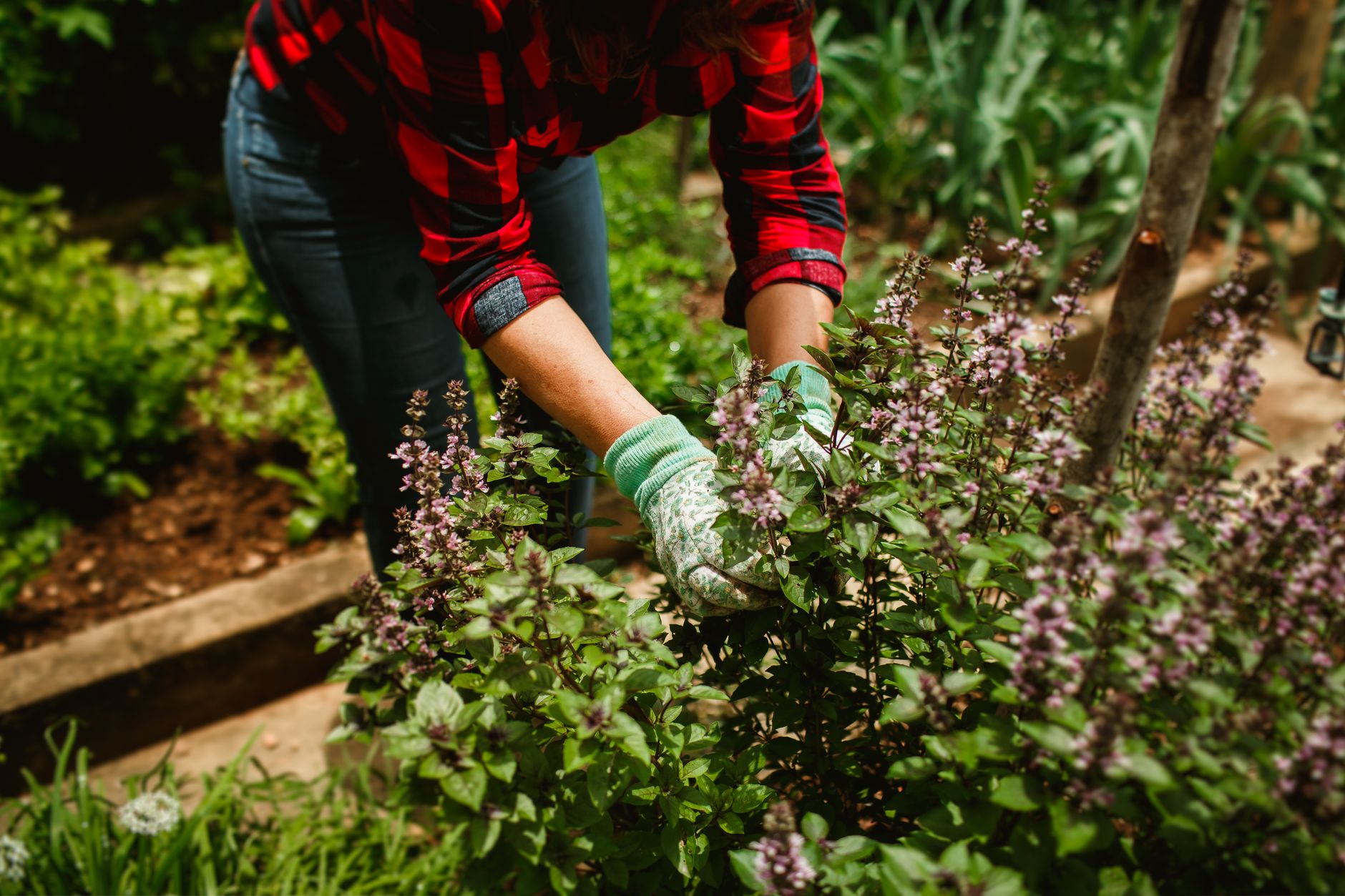
Basil (The Bushy Builder): This is where many new gardeners stumble. You want a bushy basil plant, not a single tall stalk that eventually flowers and goes to seed. My rule of thumb, which I’ve honed over five years in my UK garden, is to harvest from the top. Once your basil plant has about 3-4 sets of true leaves (the second set of leaves after the initial seed leaves), look for where two new leaves are emerging from the main stem, just above a set of existing leaves. Snip the main stem just above that node, leaving those two new leaves to grow. I use a clean, sharp pair of small snips for this – it makes all the difference! This forces the plant to send energy into those side shoots, making it branch out. I do this every 1-2 weeks during its active growing season indoors, usually from spring through autumn here in the Midlands, making sure never to remove more than a third of the plant at a time.
Mint (The Energetic Spreader): Mint wants to grow, and grow, and grow! Indoors, in a pot, it’s a bit more contained than its outdoor counterpart, which can take over raised beds if you're not careful (ask me about my epic battle with spearmint in 'Bed 3' of my 800 sq ft garden!). For indoor mint, I focus on regular harvesting. Pinch off stems just above a set of leaves, much like basil. This encourages the plant to put out more side shoots. The beauty of mint is that it's very forgiving; you can be quite aggressive with it. I often harvest entire sprigs for tea or mojitos, always making sure to leave enough foliage for it to photosynthesise. Don’t be afraid to take a good amount – mint will reward you with vigorous new growth. I harvest my 'Moroccan' mint almost weekly, especially through the summer months.
Rosemary (The Woody Wonder): Rosemary has a more woody growth habit, making pruning a bit different. You still want to encourage bushiness, but you need to be careful not to cut into the old, woody stems that don't have any green growth. My advice, from experience with my own 'Miss Jessup's Upright' rosemary bush, is to focus on the soft, green growth at the tips. Snip off sprigs for cooking, always cutting above a set of leaves. This encourages new growth from that point. If your rosemary is getting a bit leggy, you can prune back more significantly, but always ensure there are leaves on the stem you're cutting. I tend to prune my indoor rosemary less frequently than basil or mint, perhaps once a month or every two months, just to keep it tidy and encourage fresh, fragrant growth. It’s a slower grower, especially indoors in our UK climate, so patience is key.
Remember, the goal of pruning is to promote a cycle of growth and harvest. The more you snip correctly, the more your plants will produce. It’s a wonderful symbiotic relationship!
Beyond Survival: Repotting and Feeding for Long-Term Herb Success
Getting your herbs to survive is one thing, but getting them to truly thrive long-term indoors in the UK? That’s where repotting and proper feeding come into their own. I remember when I first started, I thought a plant just lived in its original pot forever. Oh, how wrong I was! My poor basil would become root-bound and yellow, and I couldn't figure out why, despite perfect watering. That’s a common tale, especially with supermarket herbs that are often crammed into tiny pots.
Giving Them Room to Grow: Repotting
Repotting isn't just about moving to a bigger pot; it's about refreshing the growing medium and giving the roots space to expand, which is vital for nutrient uptake.
- When to Repot: Generally, you’ll notice roots starting to poke out the drainage holes, or the plant will look stunted despite good care. For fast growers like basil and mint, this might be every 3-6 months. Rosemary, being slower, might only need repotting every 1-2 years. I usually aim for spring here in the Midlands, as the longer daylight hours naturally encourage new growth, making the transition less stressful for the plant.
- Choosing the Right Pot: Go up by only one pot size (e.g., from a 4-inch to a 6-inch pot). Too big, and the soil will hold too much moisture, leading to root rot – a mistake I made with a lovely 'Greek' basil once. Ensure good drainage holes! Terracotta pots are fantastic for herbs as they allow the soil to breathe and dry out more evenly, which is a huge bonus in often-damp British homes.
- The Soil Mix: Always use fresh, high-quality potting compost. For most herbs, a good multi-purpose compost (like John Innes No. 2, which I swear by for most of my potted plants) mixed with about 10-20% perlite or grit for extra drainage is ideal. Basil loves a slightly richer mix, while rosemary prefers something a bit grittier.
Fueling the Growth: Feeding Your Herbs
Just like us, plants need food! The nutrients in the potting mix get depleted over time, especially with regular watering.
- When to Feed: I usually start feeding my indoor herbs about 4-6 weeks after repotting, or if they haven’t been repotted recently, every 2-4 weeks during their active growing season (spring to autumn). During the darker, colder UK winter months, I either stop feeding entirely or reduce it to once a month at a very diluted strength, as the plants are naturally less active.
- What to Feed: For culinary herbs, I always opt for a balanced liquid feed, or one slightly higher in nitrogen to encourage leafy growth. My go-to is often a general-purpose organic liquid feed, diluted to half strength. I avoid high-phosphorus "bloom" feeds unless I actually want my herbs to flower (which for basil, means the end of its life cycle!). A slow-release granular feed can also work, mixed into the top layer of soil, but I find liquid feeds give me more control.
Repotting and Feeding at a Glance
Here’s a quick comparison to help you tailor your care for the big three:
| Feature | Basil | Mint | Rosemary |
|---|---|---|---|
| Repotting Freq. | Every 3-6 months, or when root-bound | Every 3-6 months, or when root-bound | Every 1-2 years |
| Pot Size Increase | 1-2 inches larger | 1-2 inches larger | 2-3 inches larger |
| Potting Mix | Good quality multi-purpose + 10% perlite | Good quality multi-purpose + 10-20% perlite/grit | Gritty cactus/succulent mix or multi-purpose + 30% grit |
| Feeding Freq. | Every 2-3 weeks (active growth) | Every 2-3 weeks (active growth) | Every 4-6 weeks (active growth) |
| Fertilizer Type | Balanced liquid feed, slightly higher N for leaves | Balanced liquid feed, slightly higher N for leaves | Balanced liquid feed, or slow-release |
| Winter Care | Stop feeding, reduce watering (often struggles through UK winter) | Reduce feeding to monthly, water sparingly | Reduce feeding to monthly, water sparingly |
Remember, these are general guidelines, and your plants will tell you what they need. Pay attention to their leaves, their growth rate, and how quickly their soil dries out.
Your Thriving Indoor Herb Garden Awaits!
Phew! We've covered a lot, haven't we? From the foundational secrets of light, water, and soil, to the unique demands of basil, mint, and rosemary, battling those sneaky pests, mastering the art of the snip, and finally, ensuring long-term vitality through repotting and feeding. It might seem like a lot to take in, but trust me, it’s all incredibly rewarding.
I remember when I first swapped my IT screen for a trowel five years ago, I felt overwhelmed. My first attempts at indoor herbs were, frankly, dismal. Leggy basil, crispy rosemary, and a mint plant that just gave up the ghost. But through endless experimenting in my 800 sq ft Midlands garden, a fair few mistakes (and plenty of research!), I’ve learned that success truly comes down to understanding your plants and their environment. Here in the UK, with our often-challenging light conditions and sometimes damp homes, a little extra attention makes all the difference.
You now have the knowledge, built on real-world experience from my own successes and failures, to transform your indoor culinary herbs from struggling survivors into flourishing superstars. Think of the fresh pesto, the fragrant tea, the added zing to your Sunday roast – all from your own windowsill!
So, go forth, my fellow green-thumbed enthusiast! Apply these tips, observe your plants, and don't be afraid to experiment. Each plant is a little adventure, and every successful harvest is a victory. I truly believe that anyone, even those of us who started out with a distinct lack of green fingers, can cultivate a thriving indoor herb garden.
I'd love to hear about your own indoor herb journeys and successes! Happy growing!
