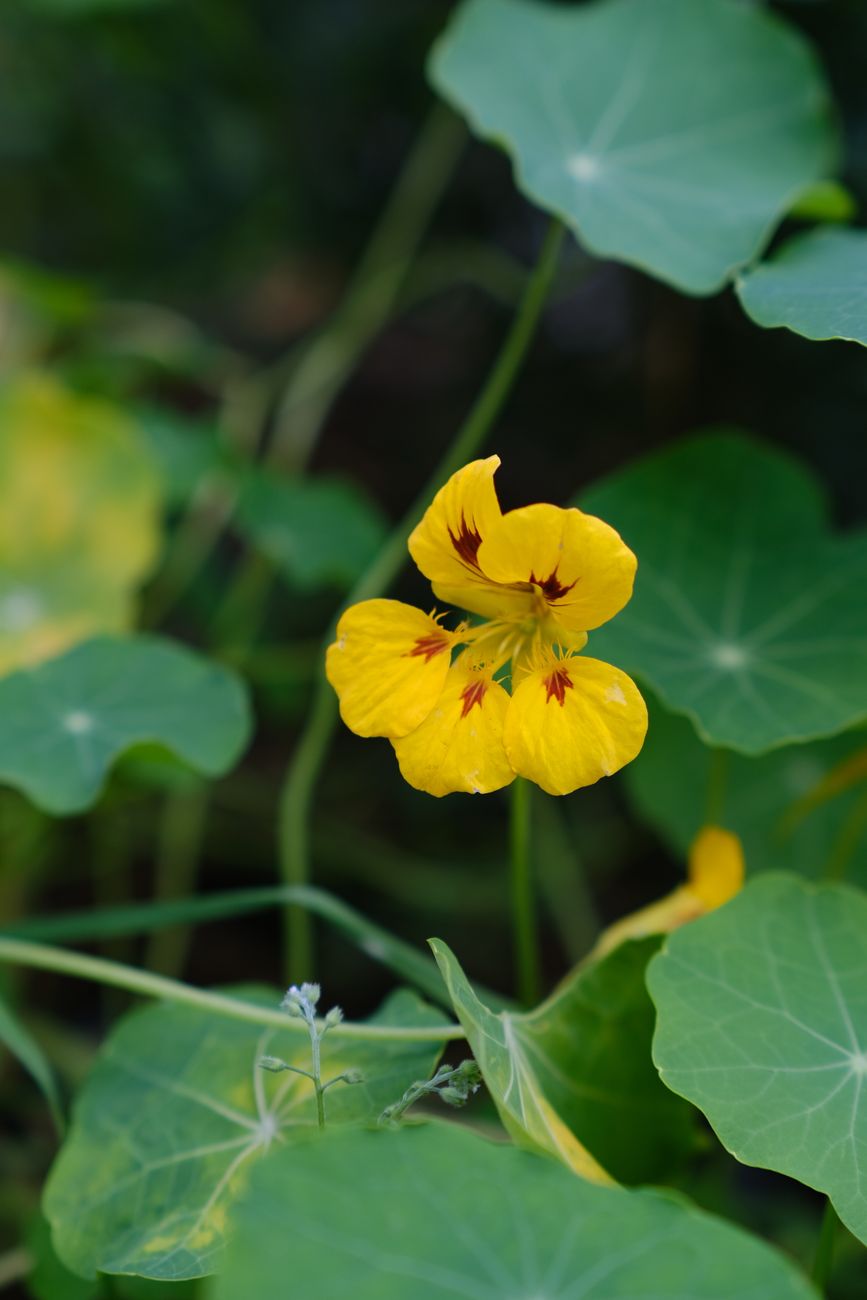
Right, let's get stuck into those pesky nasturtiums! It's a common complaint, and one I've definitely wrestled with in my own UK garden.
The Leafy Dilemma: Why Your Nasturtiums Are Hiding Their Blooms
If you're anything like me, you probably fell in love with nasturtiums for their vibrant, peppery flowers and leaves, all destined for your salad bowl. They're meant to be one of the easiest, most rewarding edible plants you can grow in a UK garden, aren't they? A quick sow, a bit of sun, and boom – a cascade of fiery blooms and zesty leaves. At least, that's what the seed packets promise!
But then you look at your own plants. Lush, verdant, sprawling... and not a flower in sight. Just a sea of gorgeous, round leaves. Sound familiar? I've been there, more times than I care to admit, especially in my early days of gardening five years ago here in the Midlands. My 800 sq ft backyard, now packed with raised beds and a greenhouse, once held nasturtiums that were the envy of all for their sheer leaf production, but the shame of it was, they barely gave me a single bloom to harvest for my evening meal. It's frustrating, isn't it, when a plant known for its generosity decides to be so coy with its edible flowers?
Over the years, through plenty of trial and error (and a fair few mistakes I'll happily share!), I've learned that getting those nasturtiums to burst into a riot of colour isn't about magic, but about understanding what makes them tick. It’s often a few simple environmental tweaks, perfectly suited to our sometimes-fickle British climate, that can turn a leaf monster into a bloom machine. So, if your nasturtiums are currently starring in their own leafy drama, pull up a chair, grab a cuppa, and let's dig into why – and more importantly, how to fix it to boost both those beautiful blooms and their delicious flavour.
Nutrient Niggles: The Root Cause of Leafy Growth & How to Fix It
This, my friends, is often the biggest culprit when your nasturtiums are more foliage than floral. It all comes down to what you're feeding them – or rather, what's already in your soil. Nasturtiums, bless their hearts, are a bit contrary. Unlike some of my hungry heirloom tomatoes in the greenhouse that demand constant feeding, nasturtiums actually prefer a bit of a challenge. Give them a rich, luxurious, nitrogen-heavy diet, and they'll respond by doing exactly what nitrogen tells them to do: grow big, beautiful leaves. They'll put all their energy into leafy growth, completely forgetting their primary mission of producing those gorgeous, edible flowers.
I learned this the hard way during my second year in this garden. I'd built up some lovely new raised beds and was so proud of my homemade compost, teeming with kitchen scraps and grass clippings. Naturally, I generously incorporated it into my nasturtium bed, thinking "more nutrients, more plants, more flowers!" Oh, Randy, you naive fool. The nasturtiums grew unbelievably huge, sprawling vigorously over the path, but hardly a flower graced their lush canopy. It was a classic case of too much of a good thing.
The key is to understand the balance of primary nutrients: Nitrogen (N) for leafy growth, Phosphorus (P) for roots and flowers, and Potassium (K) for overall plant health and fruit development. For flowering plants like nasturtiums, we need to lean away from excessive nitrogen.
Here’s a breakdown of how different nutrient levels can affect your nasturtiums, and what I've found works best in my Midlands garden:
| Nutrient Aspect | Problem (Too Much Nitrogen) | Solution (Balanced for Blooms) | Randy's UK Experience & Recommendation |
|---|---|---|---|
| Soil Type | Rich, heavy, lots of fresh compost or manure | Leaner, well-draining, moderately fertile | In my raised beds, I start with a mix of spent peat-free compost (from last year's tomatoes!) and some grit. Avoid fresh manure! |
| Fertilizer | High Nitrogen (e.g., lawn feed, 'growmore') | Balanced NPK or higher P & K (e.g., tomato feed) | I rarely feed nasturtiums. If they look weak, I might use a very dilute tomato feed (e.g., half strength) once established, but only if absolutely necessary. |
| Compost Use | Fresh, nitrogen-rich, un-rotted compost | Well-rotted, mature compost in moderation | Only well-rotted, crumbly compost used sparingly, mainly for structure rather than direct feeding. A shovelful every few years is enough for a patch. |
| Plant Growth | Lush, dark green leaves; few to no flowers; susceptible to pests | Bushy, healthy green; abundant flowers; more resilient | The difference is night and day! My 'Alaska Mix' nasturtiums now produce flowers almost constantly from early summer until the first hard frost here in the Midlands. |
So, what's the fix? First, ease off the high-nitrogen feeds. If you're using a general-purpose liquid feed, check the NPK ratio. For nasturtiums, you want something where the P and K numbers are equal to or higher than the N. Or, even better, don't feed them at all! In my experience, if your soil has any decent fertility, nasturtiums will find what they need. If you're planting into fresh compost, consider a less 'rich' variety or dilute it with some garden soil or grit. My go-to now is often to plant them in soil that's been 'used' by a previous crop, or in the leaner edges of a raised bed.
Sun, Shade & Soil: Crafting the Perfect Nasturtium Environment for UK Gardens
Beyond the nutrient balance, the environment you provide for your nasturtiums plays a massive role in their flowering prowess. We're talking sun, and the very ground they're rooted in. Getting this right for our specific UK climate is crucial.
Sun Exposure: Making the Most of British Sunshine
Nasturtiums love sun, but not necessarily scorching heat all day long. Here in the Midlands, we don't always get relentless sun, so making the most of what we do receive is key. They thrive in full sun, meaning at least 6-8 hours of direct sunlight a day. This energy is essential for them to produce those beautiful blooms.
I've experimented with nasturtiums in various spots around my 800 sq ft garden. One year, I tucked some 'Empress of India' nasturtiums under the partial shade of my greenhouse, hoping for a cooler spot during a particularly hot June. They grew, sure, but they were leggy and produced only a handful of flowers. The plants in the raised bed on the south side of my garden, however, were absolutely smothered in blooms, despite being in the same soil mix. What works here in Britain is to find that sweet spot where they get plenty of sun without being baked to a crisp, especially if you're growing them in pots which can dry out faster.

Soil Structure: The Foundation for Flowering
Now, let's talk soil. We've already touched on nutrients, but the physical structure of your soil is just as vital. Nasturtiums are not fans of heavy, waterlogged clay soils, which can be a real challenge in many parts of the UK. They need good drainage. If their roots are sitting in constantly wet soil, they'll struggle, becoming prone to root rot and generally unhappy, reluctant to flower.
In my raised beds, I've created a custom blend that nasturtiums adore. It’s a mix of good quality peat-free multi-purpose compost (often recycled from my tomato pots), a generous amount of horticultural grit for drainage, and a small addition of well-rotted leaf mould. This creates a free-draining, airy medium that's not overly rich. If you're planting directly into the ground, especially if you have heavy clay, I'd strongly recommend digging in plenty of grit or well-rotted organic matter (like leaf mould or spent compost) to improve drainage before you plant. Don't worry about adding fresh nutrient-rich compost at this stage; we're focusing on structure here. Remember, a happy root system leads to a happy, flowering plant.
Watering Wisdom: Less is More for Abundant Nasturtium Flowers
This might sound a bit counter-intuitive, especially with our notoriously damp British summers, but nasturtiums are a bit like teenagers – give them too much comfort, and they'll just lounge around. When it comes to watering, less is definitely more if you want those vibrant flowers. Nasturtiums, particularly once established, actually prefer slightly drier conditions. A little bit of stress, in the form of slightly dry soil, encourages them to produce flowers rather than just leaves. It's their way of trying to set seed and ensure the next generation, a survival mechanism that we gardeners can exploit for our own enjoyment!
I learned this the hard way when I first started. I was diligent with my watering can, treating all my plants equally. My nasturtiums looked healthy, yes, but just like the nutrient issue, they were all leaves. I remember one particularly wet August here in the Midlands, and my nasturtiums looked like they were trying to win a prize for 'most luxuriant foliage' – but not a flower in sight! It was a lightbulb moment when I realised I was probably overwatering them, especially with the intermittent downpours we get.
Now, I tend to let the top inch or two of soil dry out completely before I even think about reaching for the watering can. When I do water, I give them a good, deep soak rather than frequent, shallow sprinkles. This encourages the roots to grow deeper, making the plant more resilient and better able to find its own moisture. For nasturtiums in pots, which dry out faster, I'm a bit more attentive, but still follow the 'dry-out' rule. In the ground, especially in a UK summer, established plants might barely need any extra watering beyond what our unpredictable weather provides. Even in our British summers, which can be fickle, I've found this 'tough love' approach really pays off, leading to a much more impressive display of those edible blooms.
The Art of Pinching & Pruning: Encouraging Prolific Blooms and Bushy Growth
Even with all the right soil, sun, and watering, nasturtiums can sometimes get a bit… enthusiastic. Especially here in our UK climate, where a sudden burst of warmth after a damp spell can send them sprawling. I’ve found that even if they are flowering, a bit of strategic intervention can make a world of difference, turning a gangly plant into a vibrant, bloom-laden specimen. This is where pinching and pruning come in, and it's a technique I rely on heavily in my 800 sq ft Midlands garden to keep things tidy and productive.
When I first started gardening five years ago, I used to just let everything go wild. My nasturtiums would sprawl across paths, climb up things they weren't supposed to, and generally look a bit unruly, often with flowers only at the very tips. I learned pretty quickly that a little bit of tough love early on makes for a much happier plant (and gardener!).
Pinching is simply removing the very tip of a stem, usually just above a leaf node. Think of it as giving the plant a haircut. When you pinch out the main growing tip, you're telling the plant, "Hey, instead of growing long and tall, how about you branch out a bit?" This stimulates the dormant buds further down the stem to activate and produce new side shoots. More side shoots mean more potential for flowers, and a much bushier, more compact plant.
I usually start pinching my nasturtiums when they're still relatively young, maybe 6-8 inches tall, and have developed a few sets of true leaves. I'll pinch off the top 1-2 inches of the main stem, always just above a leaf or a budding side shoot. I don't need fancy tools for this; my fingernails usually do the trick, or a sharp pair of snips if the stems are thicker. I repeat this process a few times during their early growth, especially if I see them getting leggy. This encourages them to form a dense mound, perfect for a raised bed edge or spilling out of a container.
For established plants, especially those trailing varieties that can really take off, I also practice light pruning throughout the season. If I see any stems that are looking spent, have stopped flowering, or are just getting too long and straggly for my small space, I’ll snip them back. This not only keeps the plant looking neat but also encourages new growth and a fresh flush of blooms. It's also a great way to harvest tender leaves for salads! Last summer, in a particularly lush patch of 'Empress of India' nasturtiums, I had to be quite ruthless with my pruning to keep them from completely engulfing my 'Sungold' tomato plant next door. It felt a bit harsh at the time, but the resulting burst of flowers and the tidy growth was well worth it.
Enhancing Edible Flavour: Tips for Spicy Nasturtium Harvests
Beyond their vibrant beauty, nasturtiums are a true edible garden gem. I mean, who doesn't love a plant where the leaves, flowers, and even the unripe seeds are all delicious? But not all nasturtiums are created equal when it comes to flavour. I've found that the same factors that encourage abundant blooms also play a huge role in developing that characteristic peppery, mustard-like kick we all love.
In my UK garden, especially with our often-mild summers, I've noticed a distinct difference in flavour intensity based on how I've treated my plants. The spicier, more pungent nasturtiums tend to come from plants that have been grown a bit 'harder' – meaning they haven't been pampered with too much nitrogen or excessive water. Stress, within reason, can actually be a good thing for flavour!
Here's what I've learned about boosting that delicious nasturtium heat:
- Sun Exposure: Plants grown in full sun (6+ hours a day) consistently have a stronger flavour profile than those in partial shade. The sun helps the plant produce more of the compounds responsible for its spiciness.
- Leaner Soil: Remember how I talked about not over-fertilizing with nitrogen? That's key here too. Rich, nitrogen-heavy soil tends to produce lush, mild leaves. A slightly poorer, well-draining soil encourages the plant to put more energy into flavour and flowers. I've seen this firsthand in my raised beds; nasturtiums near my brassicas (which get more nitrogen) are always milder than those at the edge of the bed in poorer soil.
- Water Stress (Carefully!): This is a delicate balance. A plant that's slightly thirsty (but not wilting) will often have more intense flavour than one that's constantly saturated. The stress encourages the production of defensive compounds, which happen to be the ones that taste spicy to us. I usually let the top inch or two of soil dry out completely between waterings, especially once the plants are established.
- Harvest Time: Young, tender leaves and fresh flowers tend to have the best flavour. As leaves get older, they can sometimes become a bit tougher and the flavour can mellow slightly. The unripe seeds, often called 'nasturtium capers', are intensely peppery and are fantastic pickled!
My favourite varieties for flavour have been 'Empress of India' for its deep red flowers and peppery leaves, and 'Alaska Mix' for its variegated foliage and decent spice. I love tossing the leaves and flowers into salads, using them to garnish soups, or even blending the leaves into a pesto for an unexpected kick. The capers, pickled in a simple brine, are a staple in my kitchen, a fantastic British garden substitute for traditional capers.
Let's look at how different factors affect that wonderful nasturtium zing:
| Factor | Impact on Flavour Intensity | Randy's Observation (UK Midlands) |
|---|---|---|
| Sun Exposure | High | Full sun (6+ hours) consistently yields the spiciest leaves and flowers in my UK garden. Plants in partial shade are noticeably milder, especially during our often-cloudy British summers. |
| Soil Fertility | Low (for spice) | Leaner soil, not overly amended with nitrogen, results in punchier flavour. Overly rich soil makes for lush, green, but less spicy growth. I've learned to hold back on the compost for nasturtiums if I want that kick. |
| Watering | Moderate Stress | Allowing soil to dry out between waterings (without wilting) increases pungency. Constantly wet soil produces milder, often less flavourful, foliage. This is a fine line to walk, especially during our unpredictable UK weather! |
| Variety | Varies | Some varieties are inherently spicier. 'Empress of India' and 'Tip Top' varieties consistently deliver good heat for me. 'Alaska Mix' has good flavour but perhaps a touch milder than the plain green-leaved ones. |
| Harvest Age | High (younger is better) | Young, tender leaves and freshly opened flowers have the best, most vibrant flavour. As leaves mature, they can sometimes mellow slightly. The green, unripe seeds are intensely peppery, making fantastic homemade 'capers'. |
From Leafy Greens to Fiery Blooms: Your Nasturtium Success Story Awaits!
Well, there you have it, fellow UK gardeners! My journey with nasturtiums, from those early days of frustration with leafy, flowerless sprawlers to now having a reliable display of vibrant, edible blooms across my Midlands garden. It’s been a fantastic learning curve, filled with plenty of experiments and a few lessons learned the hard way, as is the way with gardening here in Britain.
We've covered a fair bit, haven't we? From understanding that initial leafy dilemma and tackling those nutrient niggles (remember, less nitrogen is more!), to crafting the perfect sunny spot and getting your watering just right. Then, we delved into the art of pinching and pruning, turning those straggly plants into bushy beauties, and finally, how to coax out that wonderful, fiery flavour that makes nasturtiums such a culinary delight.
The biggest takeaway I want to share from my five years of intensive gardening, especially here in our often-challenging UK climate, is that nasturtiums are incredibly resilient and rewarding. They don't ask for much, but a little understanding of their specific needs, adapted for our British weather, goes a very long way.
I've made my share of mistakes – overwatering a batch of 'Whirlybird' in a damp summer, accidentally giving too much nitrogen to my 'Alaska Mix' and ending up with huge, mild leaves, or not pinching early enough and ending up with a leggy mess. But each one of those experiences taught me something valuable about what truly works in my 800 sq ft backyard.
So, don't be discouraged if your nasturtiums aren't quite performing yet. Take these practical tips, born from real-world UK gardening experience, and give them a go. Adjust your feeding, rethink their location, be mindful of your watering, and don't be afraid to give them a good pinch. I’m confident that with a little attention, you'll soon be enjoying a bountiful harvest of both beautiful flowers and deliciously spicy leaves.
Nasturtiums truly embody the joy of hands-on gardening for me. They're a plant that gives so much, and with these insights, I hope you'll feel empowered to turn your own leafy greens into a fiery, floriferous success story this season. Happy growing!