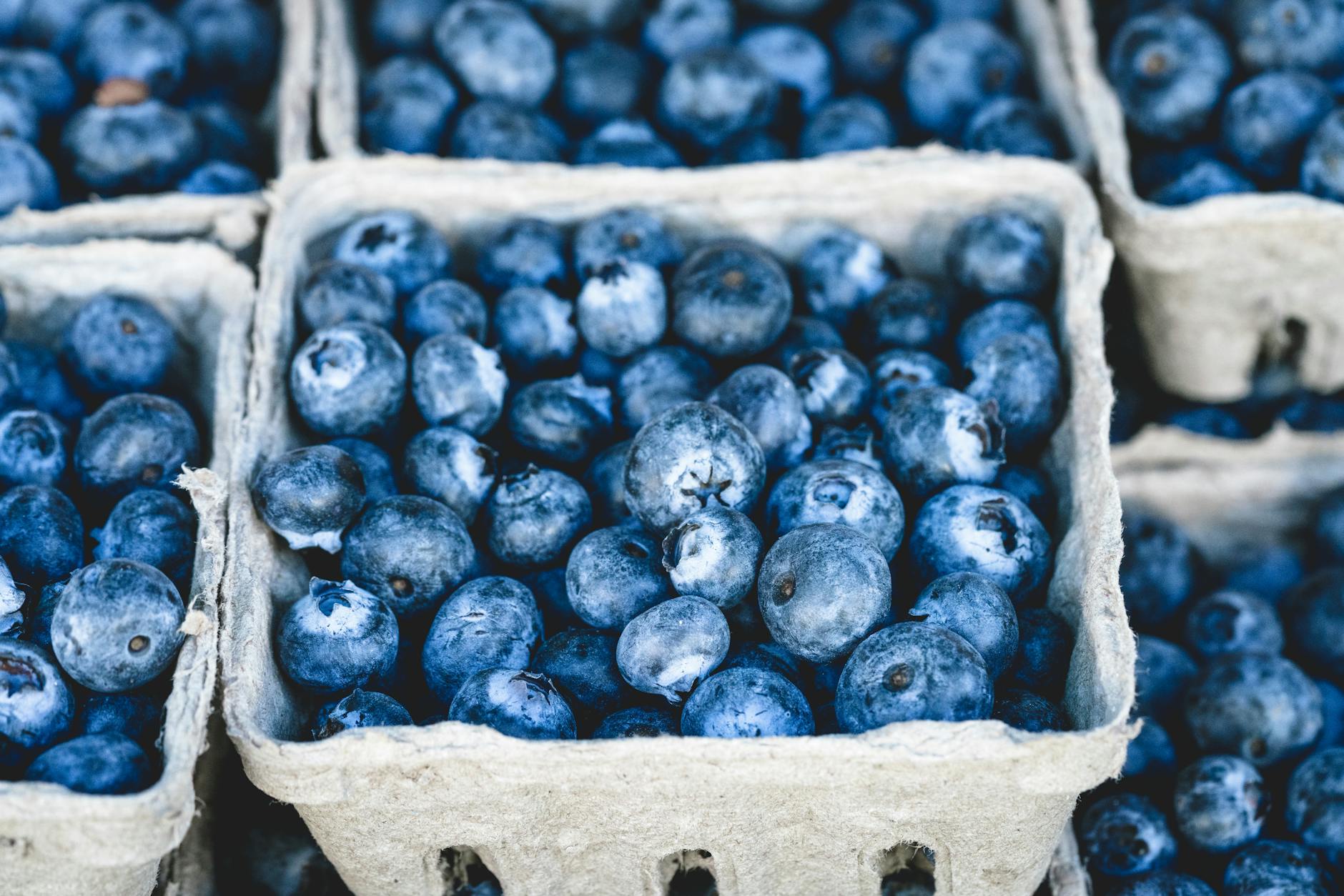
Introduction: Why Your Blueberry Bushes Might Be Letting You Down
Right, let's talk blueberries. I remember when I first swapped my keyboard for a spade here in the UK Midlands, blueberries were high on my list. Visions of plump, juicy berries, fresh from my 800 sq ft garden, dancing in my head. Fast forward a year or two, and my reality was... well, a bit less fruitful. My lovely blueberry bushes, planted with such hope, were just sitting there, looking green and healthy but stubbornly refusing to produce any berries. It was incredibly frustrating, and honestly, a bit disheartening after all the effort I'd put in.
I've learned a lot in my five-plus years of intensive UK gardening, often through trial and error (and plenty of head-scratching!). Blueberries, while incredibly rewarding, definitely have their quirks, especially with our unpredictable British weather. They're not like a resilient courgette that will pretty much fruit no matter what you throw at it. No, blueberries demand a bit more specific care. If your bushes are looking lush but are leaving you berry-less, you're not alone. I've been there, and I’ve helped countless fellow UK gardeners troubleshoot this exact problem.
In this guide, I'm going to share everything I've learned from my own patch in the Midlands, from the age of your plants to the very soil they're sitting in, and even those crucial buzzing visitors. We'll dive deep into the most common reasons your blueberry bushes aren't fruiting, giving you practical, tried-and-tested advice that works here in Britain. My goal is to help you understand why these issues occur and what you can do about them, so you can finally enjoy those bumper harvests we all dream of.
Patience is Key: Understanding Blueberry Bush Maturity & Fruiting Age
One of the biggest mistakes I made when I first started growing blueberries was expecting instant gratification. Coming from an IT background where results are often immediate, gardening taught me a tough lesson in patience! I planted some lovely young 'Bluecrop' and 'Duke' varieties, gave them what I thought was the royal treatment, and then waited... and waited... and waited some more. A couple of seasons went by with only a handful of sad, tiny berries, and I was convinced I was doing something terribly wrong.
What I've learned since, through extensive reading and plenty of observation in my own UK garden, is that blueberries are like teenagers – they need a bit of time to mature before they really start performing. Most blueberry bushes, especially the common highbush varieties we grow in the UK, won't produce a significant crop until they are at least 2-3 years old. Often, for a really decent harvest, you're looking at year 4 or 5. If you bought a small plant from a garden centre, it might only be a year old, meaning you could be waiting a fair while.
I've even found that it's often recommended to remove any flowers that appear in the first year or two. This feels counter-intuitive, doesn't it? But trust me, it forces the plant to put all its energy into developing a strong root system and robust framework, which will pay dividends in future seasons. I did this with a 'Patriot' bush a couple of years back, and it's now one of my most reliable croppers. So, before you despair, check the age of your plants. If they're young, the answer might simply be a bit more time and a lot of patience.
Here's a quick guide to what you can generally expect from different types of blueberry bushes regarding their fruiting age:
| Blueberry Type | Typical UK Varieties | Initial Fruiting (Small Crop) | Significant Fruiting (Bumper Harvests) | My Experience in Midlands Garden |
|---|---|---|---|---|
| Highbush | 'Bluecrop', 'Duke', 'Patriot', 'Chandler' | 2-3 years after planting | 4-5+ years after planting | Most common in my garden. 'Duke' can be quicker, 'Chandler' takes longer but fruits are huge. |
| Half-High | 'Northblue', 'Northland' | 1-2 years after planting | 3-4+ years after planting | Hardier for colder spots. Smaller plants, decent early crops. |
| Lowbush | 'Top Hat', wild varieties | 1-2 years after planting | 2-3+ years after planting | Not as common for dedicated fruiting in my setup, more for ground cover. |
| Rabbit-eye | 'Tifblue', 'Powderblue' | 2-3 years after planting | 4-6+ years after planting | Less common in UK due to needing longer, hotter summers. Can struggle to ripen here. |
The Pollination Puzzle: Are Your Bushes Getting the Buzz They Need?
Once you've ruled out age as the culprit, the next big question I always ask fellow UK gardeners is about pollination. It's something many of us overlook, especially when we're focused on the basics of planting. I'm always watching the bees and other pollinators in my Midlands garden – they’re fascinating creatures and absolutely essential for a good harvest. Without them, your blueberry flowers might open beautifully, but they won't set fruit.
Blueberries are generally considered self-fertile, meaning a single bush can produce fruit on its own. However, and this is a crucial point I’ve learned in my own experience, you'll get significantly better yields – and often larger, sweeter berries – if you plant at least two different varieties that flower at roughly the same time. This cross-pollination really boosts fruit set. For example, in my garden, I have 'Bluecrop' and 'Duke' planted next to each other, and the difference in harvest compared to when I only had one type was astonishing. The bees just love flitting between them!
The changeable British weather can also throw a spanner in the works. Last spring, we had a particularly cold, wet spell right when my blueberries were in full bloom. The bees, quite understandably, weren't very keen on flying around in the drizzle. The result? A much poorer crop that year. It taught me the importance of not only attracting pollinators but also creating a sheltered environment if possible. If natural pollination is struggling due to weather or lack of insect activity, you can try hand-pollination with a small paintbrush, gently swirling it inside each flower to transfer pollen. It's a bit fiddly, but I've done it for a few prized greenhouse tomatoes, and it works for blueberries too if you're desperate!

The Acid Test: Perfecting Your Soil pH for Thriving Blueberries
If your bushes are mature and you're confident they're getting enough buzz from our busy British bees, then the next port of call, and arguably the most critical factor I've found for blueberry success in the UK, is the soil. Blueberries are notoriously fussy about their soil pH. They are acid-loving plants, preferring a pH range of 4.5 to 5.5. Most gardens across the UK, certainly here in the Midlands where I am, tend to have neutral to alkaline soil (pH 6.5-7.5+), which is completely unsuitable for blueberries.
I learned this the hard way. When I first planted my blueberries, I just dug a hole, threw in some ericaceous compost, and thought that would be enough. Oh, how wrong I was! Within a year, the plants looked chlorotic (yellowing leaves with green veins), growth was stunted, and obviously, no fruit. The problem was that the surrounding alkaline soil quickly leached into my carefully prepared acidic pocket, raising the pH back up. Blueberries can't absorb essential nutrients like iron and manganese in alkaline conditions, leading to those tell-tale yellow leaves and, ultimately, no fruit.
So, what's the solution? First, you must know your soil's pH. I always recommend investing in a good quality soil pH test kit. They're inexpensive and invaluable for tailored gardening. I use a simple liquid test kit that gives me a clear reading within minutes, and I test my blueberry beds twice a year. Once you know your starting point, you can amend the soil. For blueberries, I always recommend growing them in large pots or dedicated raised beds filled with 100% ericaceous compost. This gives you much better control over the pH.
If planting directly into the ground is your only option, then you'll need to dig a substantial hole (at least 1m wide and 50-60cm deep), line it with something like pond liner (with drainage holes!), and fill it with a mixture of ericaceous compost and acidic materials like composted pine needles or peat (though I try to avoid peat where possible for environmental reasons). To lower existing soil pH, you can add elemental sulphur, which slowly acidifies the soil over time. I usually apply it in autumn, so it has time to work its magic before spring. Remember, this isn't a one-off job; you'll need to monitor and adjust the pH annually to keep those blueberries happy and fruiting abundantly in our British climate.

5. Beyond pH: Watering, Nutrients, and Sunlight Essentials for Fruit Production
Right, so we've sorted out the pH, and hopefully, you're looking at a much happier blueberry bush. But don't pack away your gardening gloves just yet! Even with perfect soil acidity, there are a few other critical elements that can make or break your blueberry harvest here in the UK. We're talking about consistent watering, the right kind of nutrients, and enough sunshine. These might seem obvious, but the specifics for blueberries, especially in our often-unpredictable British climate, are crucial.
Watering: The Goldilocks Zone for Blueberries
Blueberries are a bit like Goldilocks when it comes to water – they don't like it too wet, and they don't like it too dry. They thrive on consistent moisture, but absolutely loathe sitting in soggy, waterlogged soil, which can quickly lead to root rot. This is especially true for us here in the Midlands, where we can get heavy downpours followed by surprisingly dry spells.
I learned this the hard way during that scorcher of a summer a couple of years back. I thought our typical British rainfall would be enough, but my younger 'Bluecrop' bushes started showing signs of stress – wilting leaves and stunted growth. Now, I always check the soil moisture about an inch or two down. If it feels dry, I give them a good, deep drink. Mulching extensively with pine bark or wood chippings (which also help maintain that acidic pH!) has been a game-changer for me. It helps retain moisture during dry spells and keeps the soil temperature more consistent, which is a lifesaver for those shallow blueberry roots. I aim for about an inch of water per week, either from rain or my watering can, but I adjust based on how much our British weather is throwing at us.
Nutrients: Feeding for Fruit, Not Just Foliage
Blueberries are not heavy feeders, which is good news for our compost bins! However, they do need specific nutrients to produce those plump berries. General-purpose fertilisers are a big no-no as they'll typically raise your soil pH, undoing all your hard work. Instead, look for ericaceous fertilisers.
In my garden, I give my established bushes a slow-release ericaceous feed in early spring, just as they're waking up. Then, once they start setting fruit, I sometimes follow up with a diluted liquid ericaceous feed, or even a bit of homemade comfrey tea – my secret weapon for all fruiting plants! If you notice yellowing leaves with green veins (chlorosis), it's often a sign of iron deficiency, which can happen even in acidic soil if the iron isn't available. A chelated iron supplement sorted out my 'Duke' bushes a few seasons ago, bringing them back to a vibrant green. Remember, healthy leaves mean healthy photosynthesis, which means more energy for fruit production!
Sunlight: The Fuel for Berry Production
This one is pretty straightforward, but often underestimated here in the UK. Blueberries absolutely crave sunshine. For a really bumper harvest, they need at least 6-8 hours of direct sunlight per day. Anything less, and you'll likely get fewer, smaller berries.
In my 800 sq ft Midlands garden, every ray of sunshine is precious, so I've strategically placed my blueberry raised beds in the sunniest spot possible, away from the shade of my greenhouse or the back fence. My 'Patriot' bushes, which get full sun from dawn till dusk, always out-produce the 'Chandler' bush that gets a couple of hours of afternoon shade from a particularly tall runner bean trellis (a mistake I won't repeat next year!). So, when you're choosing a spot, really think about that sun exposure throughout the day – it makes a huge difference to the fruit yield and flavour.
Here's a quick summary of these essentials:
| Aspect | Blueberry Requirements | Randy's UK Experience & Advice | Common UK Problem/Mistake |
|---|---|---|---|
| Water | Consistent moisture, well-drained soil. ~1 inch/week. | Mulch heavily with pine bark. Check soil 1-2 inches deep. Adjust for British rainfall/dry spells. | Overwatering in heavy clay; underwatering in dry periods. |
| Nutrients | Light feeders. Acid-specific nutrients (e.g., iron). | Early spring slow-release ericaceous feed. Diluted liquid ericaceous feed or comfrey tea during fruiting. | Using general-purpose fertiliser; iron deficiency. |
| Sunlight | Minimum 6-8 hours direct sun daily for optimal fruiting. | Place in sunniest spot, away from shade of buildings/tall plants. | Insufficient light due to placement or overcrowding. |
6. Pruning for Performance: Shaping Your Bushes for Bumper Harvests
Okay, you've got the soil right, they're watered and fed, and basking in the sun. What's next? Pruning. Now, I know pruning can feel a bit daunting, like you're going to accidentally chop off all your future blueberries. I certainly felt that way when I first started! But trust me, once you get the hang of it, you'll see it's one of the most important tasks for ensuring continuous, heavy crops. Pruning isn't just about tidying up; it's about stimulating new, productive growth and maintaining the overall health and vigour of your bush.
Why Prune Blueberries?
Think of it this way: blueberry bushes produce the best fruit on younger wood – typically canes that are 1-4 years old. As canes get older, they become less productive, producing smaller, fewer berries. Pruning helps remove this older, unproductive wood, making space for new, vigorous shoots that will bear fruit in the coming seasons. It also improves air circulation, which is vital for preventing fungal diseases, especially in our damp UK climate, and allows more light to penetrate the bush.
One year, I got a bit lazy with a 'Brigitta' bush and skipped a year of pruning. The result? A dense, tangled mess of old wood, and the berries were tiny and sparse. It was a clear lesson that nature sometimes needs a helping hand to perform its best!
When and How to Prune
The best time to prune your blueberry bushes is during their dormant season, typically in late winter or early spring (February-March here in the UK), before the buds begin to swell. This allows you to clearly see the structure of the bush without leaves getting in the way.
Here’s my simple approach, which works wonders for my bushes in the Midlands:
- Remove Dead, Damaged, or Diseased Wood: This is always the first step. Cut these back to healthy wood or to the ground.
- Remove Weak, Spindly Growth: Any thin, weak shoots that are crowding the centre of the bush should go. They won't produce much fruit and just block light and air.
- Remove Crossing Branches: Branches that rub against each other can create wounds, inviting disease. Choose the stronger, better-positioned branch and remove the other.
- Target Older Canes (for mature bushes): This is the crucial bit for established bushes (typically 3-4 years old and up). Identify the oldest, thickest, most unproductive canes (they'll often have bark that's grey and peeling). Aim to remove 1-3 of these oldest canes right down to the ground each year. This encourages new basal shoots to emerge from the crown, which will become your future fruiting wood.
- Thin the Bush: After removing the oldest canes, step back and look at the overall shape. If it still looks too dense, thin out some of the younger, weaker canes to ensure good air circulation and light penetration.
- Maintain 6-8 Main Canes: The goal is to have a healthy balance of 6-8 strong, main canes of varying ages (1-4 years old) in your bush. This ensures consistent fruit production year after year.
Don't be afraid to make cuts. Blueberries are resilient, and a good prune invigorates them. Use sharp, clean secateurs or loppers to make clean cuts to avoid tearing the wood.
Here's a comparison table to help you decide how to prune based on the age of your bush:
| Bush Age | Pruning Goal | Randy's UK Pruning Strategy | Common UK Pruning Mistake |
|---|---|---|---|
| 0-2 Years | Establish strong framework, encourage root growth. | Primarily remove dead/damaged wood. Pinch off any early flowers to encourage vegetative growth. | Allowing fruit to set too early, stunting growth. |
| 3-4 Years | Begin fruit production, encourage new fruiting wood. | Remove dead/damaged/weak wood. Start removing 1-2 of the oldest, least productive canes. | Not removing older wood, leading to reduced berry size/yield. |
| 5+ Years | Maintain vigour, maximise fruit production. | Annually remove 2-3 of the oldest, grey-barked canes to the ground. Thin out congested areas. | Letting the bush get too dense; neglecting annual maintenance. |
7. Conclusion: Enjoying Your First UK Blueberry Harvest!
So there you have it, fellow UK gardener! We've covered a lot of ground, from the essential patience needed for young bushes, the dance of pollination, getting that soil pH absolutely spot-on, right through to the daily care of watering, feeding, and the art of pruning. It might seem like a lot, but each step is a building block towards that glorious moment when you're picking your very own, home-grown blueberries.
My journey with blueberries in my 800 sq ft Midlands garden has been one of trial, error, and immense satisfaction. I've had bushes that sat there for two years doing nothing, thinking they were just ornamental shrubs! I've battled chlorosis, learned about the wonders of pine bark mulch, and yes, even accidentally pruned a bit too enthusiastically one year. But every challenge was a lesson, and every plump, juicy berry I've harvested since has been a testament to perseverance and learning from our unique British gardening conditions.
Don't be discouraged if your bushes aren't laden with fruit in their first year or two. Blueberries are an investment in time and care, but the payoff is truly incredible. There's nothing quite like stepping out into your garden on a summer morning, dew still on the leaves, and plucking those vibrant blue jewels straight from the bush. The flavour, the freshness – it's miles beyond anything you'll buy in a supermarket.
So, take these tips, apply them to your own UK garden, and keep an eye on those bushes. Observe them, listen to what they're telling you, and make those adjustments. Gardening, especially with something as rewarding as blueberries, is a continuous learning process, and it's all part of the grand adventure of growing your own food here in Britain.
I'd love to hear about your own blueberry adventures! What challenges have you faced? What breakthroughs have you had? Share your experiences in the comments below – we're all in this together, growing our little bits of paradise!