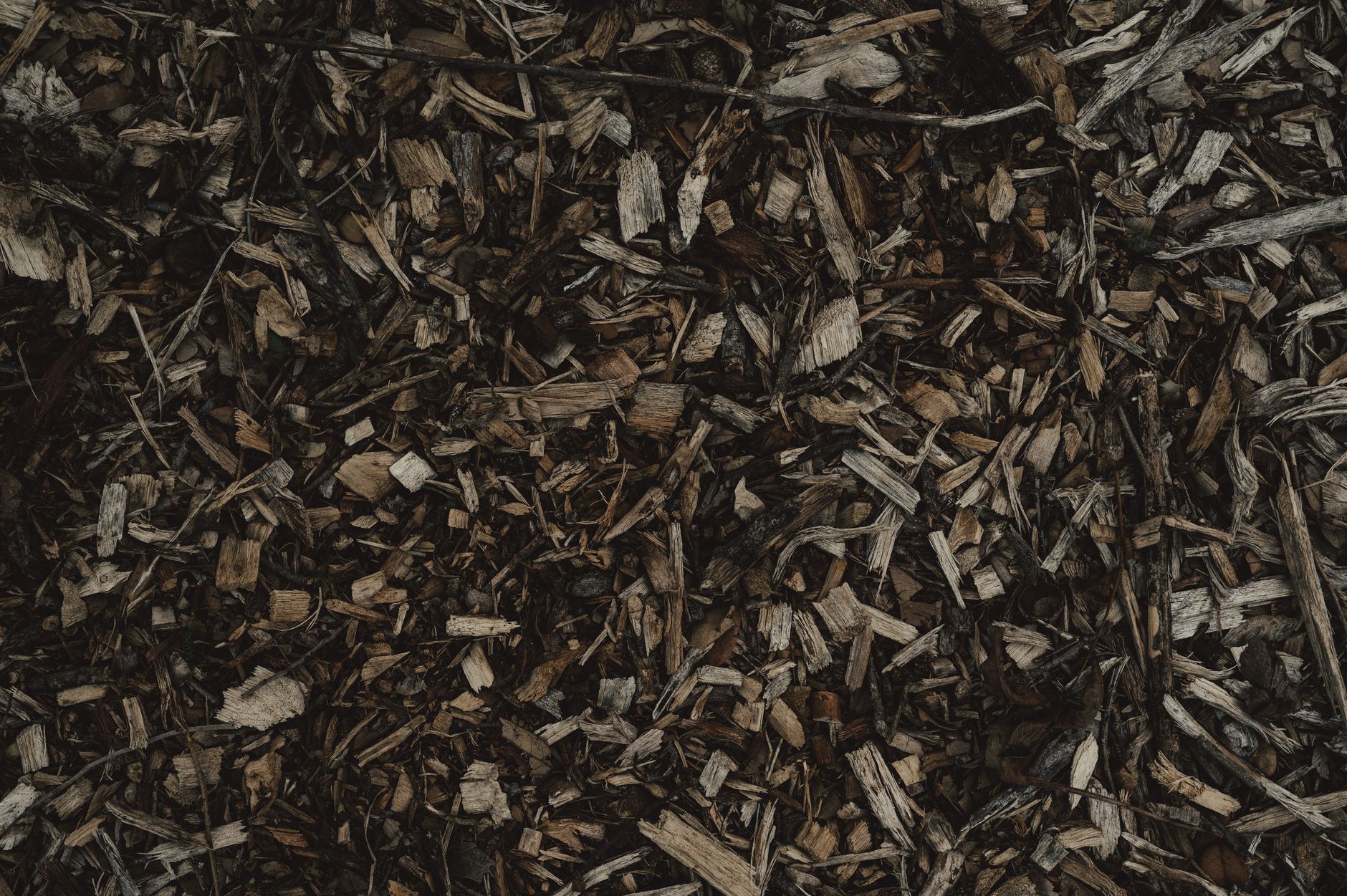
Alright, grab a cuppa, fellow plant enthusiasts! Randy here, from my bustling 800 sq ft patch in the UK Midlands. Today, we're diving deep into a topic that caused me more than a few head-scratching moments in my earlier gardening days, and honestly, still catches out plenty of us keen British growers: the mystery of stunted plants after applying what you thought was a beneficial wood chip mulch.
Stunted Plants After Mulching? Understanding Nitrogen Drawdown
I remember it like it was yesterday. It was about four years ago, and I was absolutely buzzing about improving my soil health. I'd been reading all about the wonders of wood chip mulch – weed suppression, moisture retention, soil structure improvement – and as a former IT guy, I love finding elegant, sustainable solutions. I managed to get hold of a huge load of fresh wood chips from a local tree surgeon, and I enthusiastically spread it thick around my newly planted brassicas, some young rhubarb, and even a few fledgling fruit bushes in my raised beds. I thought I was giving my garden the VIP treatment, setting it up for a fantastic season.
Fast forward a few weeks, and instead of the vigorous growth I was expecting, my plants looked… well, miserable. My kale was pale and barely growing, the rhubarb looked distinctly unimpressed, and even my normally bomb-proof 'Moneymaker' tomatoes (which I'd optimistically planted outdoors that year, a lesson in itself given our British summers!) were looking utterly pathetic. My heart sank. I was watering, the weather wasn't too bad for a British spring, and I'd added compost at planting. What on earth was going on?
It took me a while, a lot of frantic Googling late at night (a habit from my IT days!), and some honest chats with more experienced gardeners at my local allotment, to finally connect the dots. My beautiful, natural wood chip mulch was actually stealing the very lifeblood from my plants: nitrogen. This sneaky culprit has a name, and it’s called nitrogen drawdown (or nitrogen immobilization). It’s a common pitfall for UK gardeners, especially those of us trying to go down the more organic, no-dig route with readily available materials. I learned this the hard way, and now I want to share my hard-won experience so you don't make the same mistake I did here in our unpredictable British climate.
The Science Behind the Stunt: What is Nitrogen Drawdown?
Alright, let's get a little bit geeky for a moment, but I promise to keep it practical and relatable to what's happening in your UK garden. Nitrogen drawdown, in simple terms, is when the nitrogen that your plants desperately need gets temporarily locked up in the soil, making it unavailable to them. It's not that the nitrogen has vanished; it's just gone on a little holiday with the microbes!
Here's the lowdown: your soil is a bustling metropolis of microscopic life – bacteria, fungi, and other tiny critters. These microorganisms are essential for breaking down organic matter and making nutrients available to plants. They're basically the unsung heroes of your garden. But, just like us, they need food to do their job, and their favourite dinner is a balanced meal of carbon and nitrogen.
When you add a large quantity of high-carbon material, like fresh wood chips, to the soil surface or, even worse, incorporate it into the topsoil, these hungry microbes go into overdrive. They start feasting on the carbon in the wood chips to fuel their growth. However, to efficiently break down that carbon, they also need a significant amount of nitrogen. If there isn't enough nitrogen readily available in the wood chips themselves (and there usually isn't much in fresh wood), they start pulling it from the surrounding soil. They essentially "tie up" the available nitrogen in their own bodies to process the carbon.
This leaves your plants in a lurch. They're trying to grow, pushing out new leaves and roots, but suddenly, their primary source of nitrogen has been diverted. It's like trying to build a house without enough bricks because the builders are using them all for their own temporary shelter. The nitrogen isn't gone forever; it will eventually be released back into the soil when those microbes die and decompose. But in the short term, especially when your plants are young and need a constant supply, it can cause severe stunting and deficiency. This phenomenon is particularly noticeable in our British gardens where soils can already be a bit nutrient-lean after a long winter, and plants are trying to make the most of our often fleeting warmer weather.
Wood Chips vs. Nitrogen: The Carbon-Nitrogen Ratio Explained
This is where understanding the Carbon-Nitrogen (C:N) ratio becomes incredibly useful. Don't worry, it's not as complicated as it sounds! It's simply a measure of how much carbon there is compared to nitrogen in a given material. For our soil microbes to efficiently decompose organic matter without causing nitrogen drawdown for your plants, they generally need a C:N ratio of around 20-30:1. If the ratio is much higher than that, they'll seek out external nitrogen, which means your plants' supply.
Fresh wood chips, like the stuff I excitedly dumped on my beds that first season, have a very high C:N ratio – often 400:1 or even higher. That's a massive amount of carbon for the microbes to break down, and they'll gobble up any available nitrogen from the soil to help them do it. This is why it's such a common problem for us keen gardeners who are trying to be sustainable and use local resources. I learned this the hard way with a bed of 'Purple Sprouting Broccoli' one year, which just sat there looking anaemic despite my best efforts.
Here in my 800 sq ft Midlands garden, I've experimented with various mulches, and understanding their C:N ratios has been a game-changer. It's all about choosing the right material for the right job, and knowing what to expect from it in our specific British climate.
Here's a quick comparison of common mulching materials and their impact:
| Mulch Material | Typical C:N Ratio | Impact on Soil Nitrogen | Best Use in UK Garden |
|---|---|---|---|
| Fresh Wood Chips | 200-800:1 | High nitrogen drawdown risk. Microbes consume available soil N to break down high carbon. | Best used in paths or around established trees/shrubs (especially native British species) that don't need rapid nutrient access. Avoid direct contact with young, actively growing annuals or vegetables. If used near plants, apply an N boost first. |
| Aged Wood Chips | 100-200:1 | Moderate nitrogen drawdown risk (reduced). | After composting for 6-12 months (or longer in our damp climate), they are safer for perennial beds, fruit bushes, and around more mature vegetable plants. Still, keep them away from very young seedlings unless supplemented with N. |
| Straw | 40-100:1 | Low to moderate nitrogen drawdown risk. | Excellent for mulching established vegetable beds, especially potatoes, squash, and strawberries. Insulates well and breaks down slower, releasing nutrients gradually. I use this extensively for my greenhouse tomatoes, like 'Cherokee Purple'. |
| Grass Clippings | 10-25:1 | Nitrogen release. Can act as a slow-release nitrogen fertiliser. | Best used in thin layers (to prevent matting and anaerobic conditions) around hungry plants like brassicas or leafy greens. Great for a quick nutrient boost, but can look a bit messy. I often use a mix of these and compost. |
| Compost (finished) | 10-20:1 | Nitrogen release/neutral. Provides balanced nutrients and improves soil structure. | The king of mulches! Ideal for all plants, from my prize-winning 'Sungold' tomatoes in the greenhouse to my outdoor beetroot. Enhances fertility without drawdown. I spend all winter building up my compost heaps for this. |
So, you can see why I had issues with my fresh wood chips! I was essentially starving my young plants by giving the soil microbes a carbon feast without enough nitrogen. My mistake was not understanding this critical balance for the specific needs of my annual vegetables.
Spot the Signs: How to Identify Nitrogen Deficiency in Your Plants
Recognising nitrogen deficiency is a bit like being a detective in your own garden – you're looking for clues! And believe me, after five years of intensive UK gardening, including plenty of trial and error with our unpredictable British weather, I've become pretty good at spotting these tell-tale signs. This is where my IT background comes in handy again – pattern recognition!
Nitrogen is absolutely crucial for plant growth, especially for developing lush, green leaves. It's a key component of chlorophyll, the pigment that allows plants to photosynthesise (make their own food). When a plant isn't getting enough nitrogen, it can't produce enough chlorophyll, and its growth will suffer dramatically.
Here's what I look for in my Midlands garden when I suspect nitrogen drawdown, particularly after mulching:
- Overall Stunted Growth: This is often the first and most obvious sign. Your plants just aren't growing at the rate you'd expect. They might be tiny, weak, and generally lacking vigour compared to their siblings or previous seasons. My kale that year barely got past seedling stage!
- Pale Green to Yellowing Leaves (Chlorosis): This is the classic symptom. Nitrogen is a mobile nutrient, meaning plants can move it from older leaves to newer, actively growing ones to prioritise survival. So, you'll typically see the yellowing start on the older, lower leaves first. The veins often remain green for a while, while the tissue between them turns pale green, then yellow.
- Small, Sparse Foliage: Instead of big, healthy leaves, you'll get smaller, sometimes misshapen leaves. The plant isn't putting out much new growth at all. My 'Cherokee Purple' tomatoes in the greenhouse, if I accidentally let them get a bit hungry for N, will show this on their lower leaves, and new growth slows right down.
- Lack of Branching or Tillering: Plants that would normally branch out or produce multiple stems (like corn or some brassicas) will stay as a single, weak stem.
- Premature Leaf Drop: In severe cases, those yellowed lower leaves might eventually shrivel and fall off.
- Poor Fruit/Flower Development: While primarily affecting foliage, a prolonged nitrogen deficiency will eventually impact flowering and fruiting, leading to smaller yields or even no fruit at all.
Remember, yellowing leaves can also be a sign of overwatering, compacted soil, or other nutrient deficiencies, so it's important to consider all the factors. However, if you've recently applied a high-carbon mulch like fresh wood chips, and you're seeing these symptoms starting on the older leaves, nitrogen drawdown is a very strong suspect.
Right, let's dive back in! It's Randy here from my little patch in the Midlands. We've been on quite a journey, haven't we, from spotting those pale leaves to understanding the hungry microbes beneath the mulch. Now it's time to confirm our suspicions and, more importantly, get those plants thriving again!

## Beyond Guesswork: Confirming Nitrogen Drawdown in Your Soil

I've learned that gardening is a lot like detective work. You observe the clues your plants give you, form a hypothesis, and then try to confirm it. We've talked about the tell-tale signs of nitrogen deficiency – the pale leaves, the stunted growth – but sometimes, especially when you've just applied wood chips, it's good to get a bit more scientific to truly confirm nitrogen drawdown. It stops you from wasting time and effort on the wrong solution, which, let's be honest, is precious time we could be spending on other garden tasks or just enjoying a cuppa with our harvests.

My first port of call, and something I advocate for every UK gardener, is a **soil test**. Now, you can get basic DIY kits from your local garden centre here in Britain, which are great for a quick pH and NPK (Nitrogen, Phosphorus, Potassium) check. They won't give you laboratory-grade precision, but they're fantastic for identifying major deficiencies. I've used them many times in my raised beds to get a baseline reading, especially after a particularly heavy feeder crop like my 'Sungold