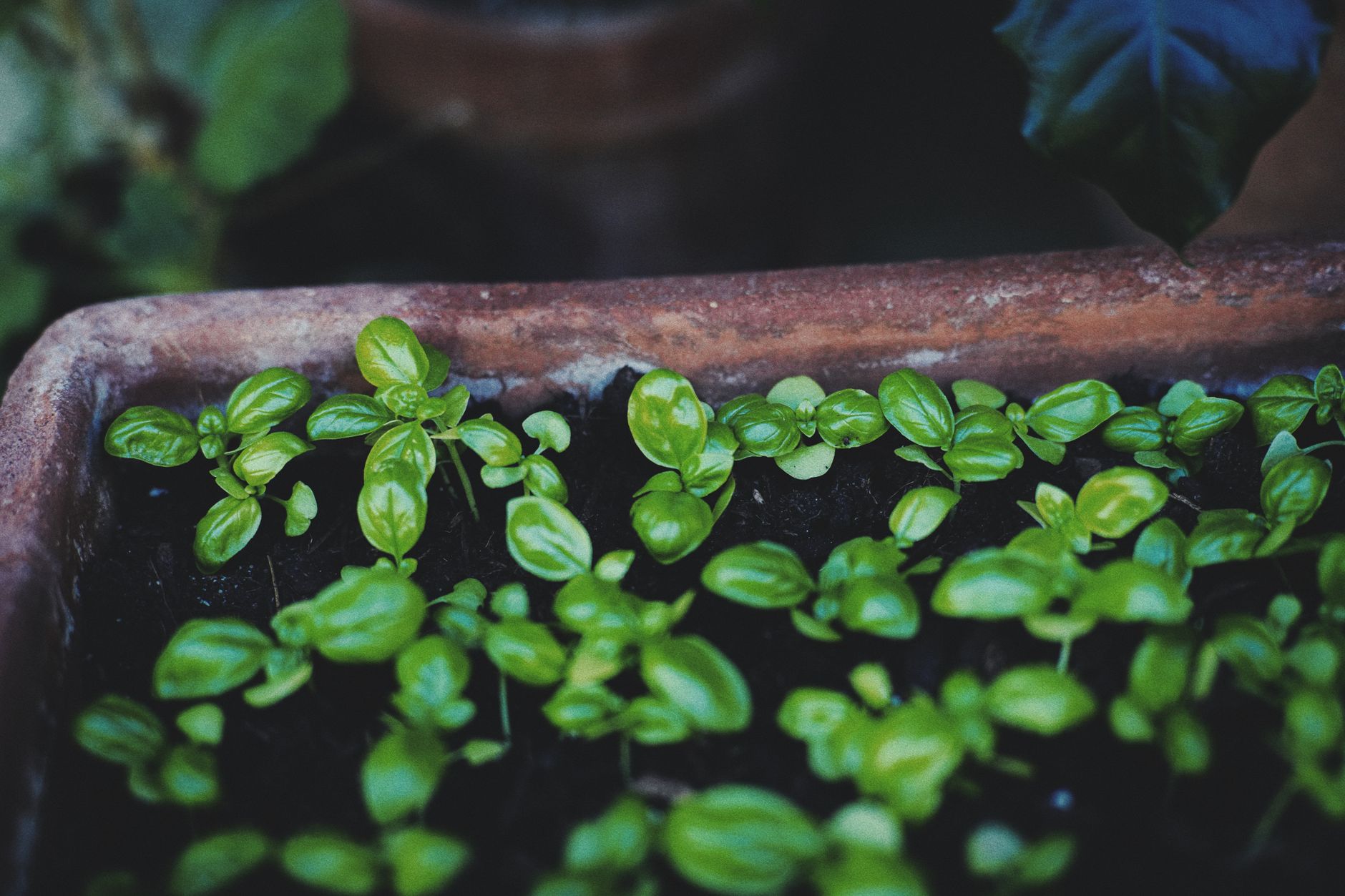
Right, let's get stuck into this! It's Randy here, and if there's one thing that used to drive me absolutely barmy when I first started out in my UK garden, it was tiny potted plants drying out. You know the drill: you water your favourite little herb or annual in the morning, feeling all smug and green-fingered, only to come back after lunch to find it flopped over, looking like it's done a marathon without a water bottle. It's frustrating, isn't it? Especially when you’ve put all that effort in.
I’ve been there, trust me. When I swapped my IT desk for a trowel five years ago, I thought gardening was just about sticking a plant in soil and watering it. Oh, how wrong I was! Here in my 800 sq ft Midlands backyard, with its raised beds and beloved greenhouse, I've had more than my fair share of crispy basil, withered petunias, and sad-looking annuals. But through a lot of trial and error – and a fair few plant funerals – I've learned some proper strategies for keeping those small pots hydrated, even with our often unpredictable British weather.
So, if your small potted plants are constantly gasping for a drink, don't despair. I'm going to share everything I've learned from my own UK gardening journey to help you keep those herbs, annuals, and container miniatures thriving. We'll dig into why this happens, what mistakes I've made, and how to set your plants up for success.
The Daily Drought: Understanding Rapid Dehydration in Small Potted Plants
Let's talk about that daily wilt. When I say "rapid dehydration," I'm talking about a plant that goes from perfectly perky to drooping dramatically within hours of being watered. It’s not just a sign of thirst; it’s a symptom of a system that’s failing to retain moisture effectively. For small potted plants – think your patio basil, a little pot of chives by the kitchen door, or those vibrant bedding plants that brighten up your front step – this is a particularly acute problem.
Why are small pots so vulnerable? Well, it’s mostly down to simple physics and surface area. A small pot holds a tiny volume of potting mix, which means there’s very little water reservoir for the plant's roots to draw from. Compared to a large container or, heaven forbid, a plant in the ground, that small amount of moisture is exposed to drying elements from all sides – the top of the soil, the sides of the pot, and of course, the plant's own transpiration through its leaves. Here in the UK, especially during those sudden heatwaves or blustery spring days we often get, this can mean the potting mix dries out at an alarming rate.
I learned this the hard way with my first attempts at growing sweet basil in a tiny terracotta pot on the kitchen windowsill. I'd water it thoroughly in the morning, and by 2 PM, it would be utterly collapsed, looking like it had spent a week in the Sahara. I’d rush to water it again, and it would perk up, only to repeat the cycle the next day. It wasn't until I started really looking into the "why" behind it that I realised I was fighting a losing battle with the pot size, the material, and the location. This constant cycle of extreme drying and re-wetting puts immense stress on the plant, stunting its growth, making it more susceptible to pests and diseases, and ultimately, leading to its early demise. It’s a battle we can absolutely win, though, with the right strategies.
Unmasking the Culprits: Why Your Small Pots Dry So Fast
So, what exactly is causing this daily drama in your small pots? From my five years of intensive gardening here in the Midlands, I’ve found it’s rarely just one thing, but often a combination of factors all working together to wick away that precious moisture. Understanding these culprits is the first step to fixing the problem. I’ve made mistakes with every single one of these, believe me!
One season, I had a row of colourful annuals in small plastic pots along my south-facing patio. I thought I was doing everything right, but they were perpetually wilting. It turned out the dark plastic pots were heating up in the sun, the cheap multi-purpose compost I'd used was too open and draining, and the strong British winds we get here were acting like a giant hair dryer on them. Each factor on its own might have been manageable, but together, they were a recipe for rapid dehydration.
Here's a breakdown of the main culprits I've identified in my UK garden:
| Factor | Description
| Impact on Drying Rate (UK context)
|
| Pot Size | Low (large volume) | Less frequent watering, greater resilience to drying out. | Can be heavy, takes up substantial space. | My early attempts at container veg used a standard multipurpose compost that just wasn|
| Pot Material | Low (terracaotta) | Breathable, classic aesthetic, good for roots needing air. | Dries out incredibly fast, especially in sun/wind. Prone to cracking in winter freezes if left outside. | I love the look of terracotta for my herbs, but my basil (a thirsty plant) would wilt by lunchtime on a sunny Midlands day. I now use glazed pots or plastic for anything that hates drying out, or I double-pot terracotta into a larger, non-porous container. |
| Potting Mix | Low (too well-draining) | Good drainage prevents root rot in damp conditions. | Water rushes through, providing little moisture retention for roots. | My early attempts at container veg used a standard multipurpose compost that just wasn't holding enough water. I now always amend my mixes for containers with more coir or homemade compost to boost water retention for our unpredictable British weather. |
| Exposure | High (full sun, wind) | Maximum light for sun-loving plants. | Wind strips moisture from leaves and soil. Intense sun heats pots and evaporates water rapidly. | My south-facing patio gets blasted, and anything in a small pot there – especially my annual petunias – would be parched by mid-afternoon. I now site my most vulnerable plants in dappled shade or use windbreaks if the spot is exposed. |
| Plant Type | High (thirsty plants) | Lush growth, vibrant flowers, or prolific harvests if adequately watered. | These plants naturally demand a lot of water, exacerbating drying in small pots. | I adore mint, but it's a water hog! In my 1-litre terracotta pot, it needed watering twice a day. Now, I grow it in a much larger pot, or even better, in a self-watering planter, to reduce
Environmental Stressors: Sun, Wind & Indoor Heating Solutions
Even if you’ve nailed your potting mix and chosen the perfect pot, external factors can still wage war on your plant’s hydration. Here in the UK, we often think our sun isn't as fierce as hotter climates, but believe me, a few hours of direct summer sun, especially between 11 am and 3 pm, can absolutely bake small pots. I've learned this the hard way with my patio herbs.
When I first started out, I had a lovely terracotta pot of basil that I’d lovingly placed in what I thought was a prime sunny spot near the kitchen door. Come lunchtime, it looked like it was having a full-blown meltdown, leaves drooping dramatically. I quickly realised that while basil loves sun, an unshaded terracotta pot in full British summer sun is a recipe for disaster. Now, for my smaller sun-lovers like marigolds or trailing nasturtiums, I’ll often place them where they get morning sun but are shaded from the harshest afternoon rays, or I'll tuck them behind a slightly larger pot for a bit of protection. Sometimes, simply moving a pot a foot or two can make all the difference.
Battling the British Breeze
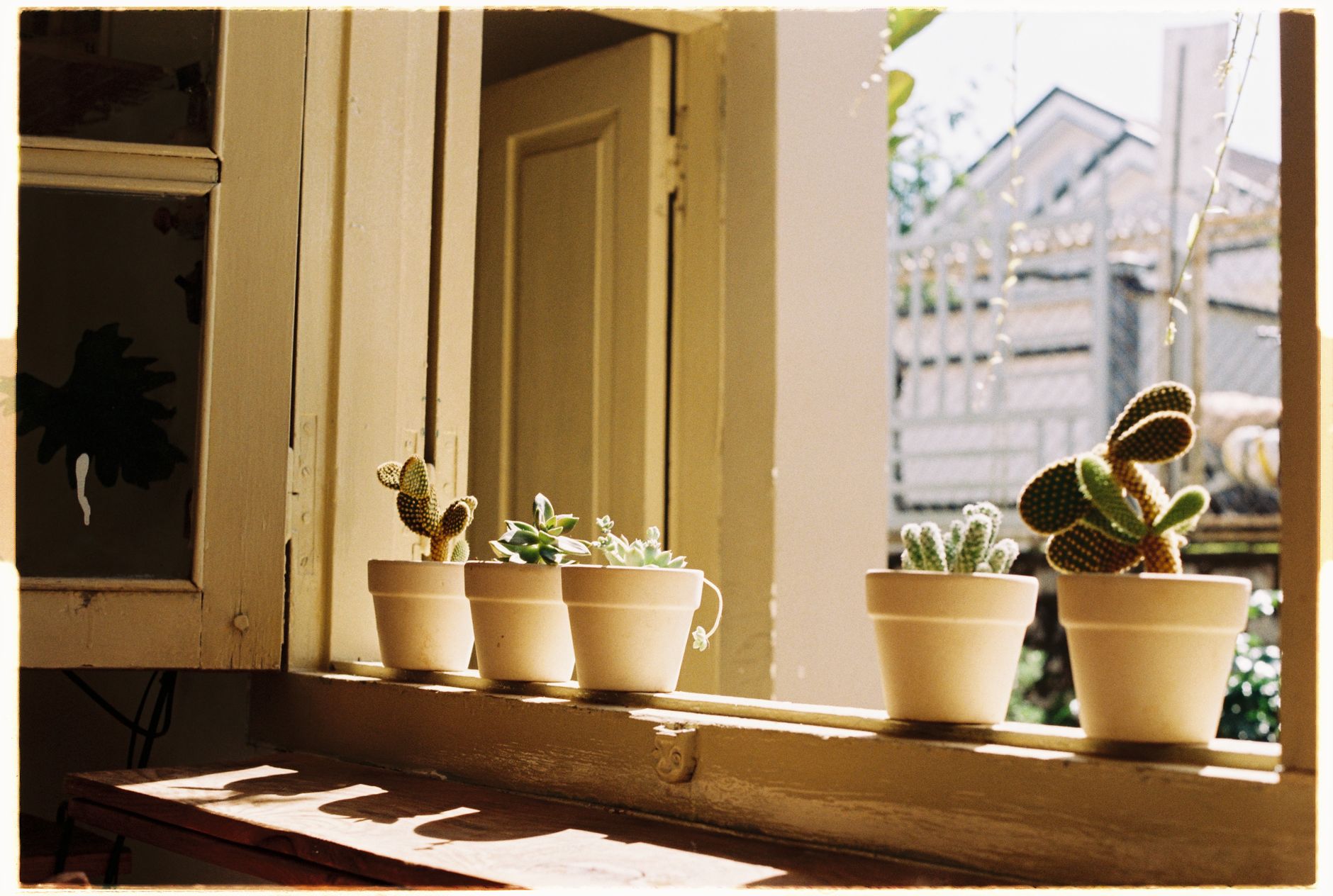
Ah, our blustery British winds! They're a gardener's bane and can dry out small pots faster than almost anything else. Wind acts like a giant hairdryer, stripping moisture from the soil surface and accelerating transpiration from the leaves. My south-facing patio, while great for warmth, can become a wind tunnel.
I've experimented a lot with windbreaks. For my miniature container gardens, especially my smaller culinary herbs like thyme and oregano, I often group them together. This creates a little microclimate, where the plants shelter each other and reduce the overall wind exposure. I also use larger, sturdier pots or even a small decorative screen to block the worst of the gusts. In my greenhouse, even on a breezy day, the plants are protected, and I’ve seen a clear difference in how frequently I need to water the same variety of plant inside versus outside.
Indoor Heating: The Winter Dry Spell
Come autumn, when I bring my tender herbs indoors, or try to overwinter some small annuals, I swap one set of environmental challenges for another. Central heating in our UK homes is brilliant for us, but it’s an absolute desert for plants. The dry, warm air sucks moisture from the soil and leaves relentlessly.
My solution for indoor plants like my mini chilli plants or my kitchen bay tree is often a simple humidity tray. I take a shallow tray, fill it with a layer of pebbles or gravel, and then add water, making sure the pot sits on the pebbles, not in the water. This provides a constant, gentle humidity around the plant as the water evaporates. I also try to keep them away from direct heat sources like radiators, which are notorious for dehydrating plants in record time. It's a constant battle, but with a bit of strategic placement and a humidity tray, I keep my indoor plants much happier and less thirsty.
Mastering Your Watering Routine: Techniques for Thirsty Miniatures
Even with the perfect pot and potting mix, and by managing environmental factors, small potted plants will still need careful, consistent watering. This isn't just about pouring water in; it's about technique and understanding your plant's needs.
The Art of Bottom Watering
For many of my small potted herbs and annuals, especially those in terracotta or fabric pots, bottom watering has become my go-to method. I learned this trick early on, after repeatedly under-watering my small pots from the top, only for the water to run straight through the dry potting mix without actually soaking in.
To bottom water, you simply place your potted plant in a tray or shallow bowl filled with about 1-2 inches of water. Let it sit there for 15-30 minutes, or until the top of the soil feels moist. The plant's roots will draw up exactly what they need. This ensures thorough saturation, encourages deeper root growth, and prevents the soil from becoming compacted. It’s particularly brilliant for my greenhouse tomatoes when they are seedlings in small pots, and for my delicate 'Lemon Balm' and 'Mint' plants on the patio.
Gentle Top Watering & The Finger Test
While bottom watering is great, sometimes top watering is necessary, or you just have too many pots to bottom water easily. When top watering, do it slowly and gently. Use a watering can with a fine rose attachment to avoid disturbing the soil or washing away delicate seedlings. Water until you see a little trickle come out of the drainage holes. Then, wait 10-15 minutes and water again. Often, the first pass just wets the surface; the second pass ensures the whole root ball gets a drink.
The ultimate test, though, is the "finger test." Stick your finger about an inch or two into the soil. If it feels dry, it's time to water. If it feels damp, hold off. This sounds simple, but it’s the most reliable way I’ve found to prevent both over and under-watering. I do this almost daily for my smaller pots during warmer periods.
Timing is Everything
In my UK garden, I've found that watering in the early morning is generally best. The plants have all day to absorb the water before the heat of the day, and any excess moisture on leaves has time to evaporate, reducing the risk of fungal diseases. Watering in the evening can be okay, especially during heatwaves, but it can also leave foliage wet overnight, which isn't ideal in our often damp British climate. In the height of summer, some of my smallest, thirstiest pots, especially those on the patio, might need a drink both morning and evening. It's a commitment, but they pay you back with lush growth!
Long-Term Strategies: Prevention & Plant Selection for Hydrated Containers
While daily diligence is key, adopting some long-term strategies can significantly reduce your watering burden and keep your small potted plants thriving in our unpredictable British weather.
Mulching Small Pots
Just like in my raised beds, mulching container plants is a brilliant way to conserve moisture. For small pots, I typically use a layer of grit, small pebbles, or even coir fibre on top of the soil. This layer acts as a barrier, slowing down evaporation from the soil surface and helping to regulate soil temperature.
I've found grit to be particularly effective for my Mediterranean herbs like rosemary and lavender in small pots. It looks neat, helps prevent splash-back of soil onto the leaves, and crucially, keeps the soil moist for longer. Last summer, I compared two identical pots of 'French Marigolds' – one mulched with grit, one not. The mulched pot consistently needed watering less frequently, sometimes by a full day, which was a real time-saver during our July heatwave here in the Midlands.
Grouping Plants & Creating Microclimates
I touched on this earlier with wind, but grouping plants is also fantastic for creating a slightly more humid microclimate. When plants are clustered together, the moisture evaporating from the leaves and soil of one plant benefits its neighbours. This collective effort reduces overall moisture loss.
On my small patio, I arrange my pots in little clusters. My 'Fuchsia' and 'Busy Lizzie' pots, which love a bit of humidity, are often tucked in amongst some larger pots or other leafy plants. This not only makes the display look fuller but also provides a noticeable difference in how quickly their soil dries out. It's a simple, effective trick I've used for years.
Self-Watering Pots: A UK Perspective
Self-watering pots, with their built-in reservoirs, can be a real game-changer, especially for those of us who forget to water or have busy schedules. I’ve experimented with several types in my UK garden, particularly for my greenhouse 'Sungold' tomatoes in larger containers, but also for smaller herbs.
For smaller pots, they can work well, but you still need to monitor them. The reservoir ensures a consistent water supply, but the plant can still dry out if the reservoir isn't refilled regularly or if the wicking system gets clogged. I've found them most successful for plants that prefer consistently moist soil, like 'Mint' or some annual flowers. However, for plants that like to dry out a bit between waterings, like 'Thyme' or 'Chives', they can sometimes lead to overwatering if not managed carefully. Always check the soil moisture, even with a self-watering pot, especially in our cooler, damper periods here in Britain.
Strategic Plant Selection
Finally, and perhaps most importantly for long-term success, is choosing the right plants for small pots. Some plants are just naturally better equipped to handle less soil volume and fluctuating moisture levels.
When I select plants for my small containers, I look for varieties that are either naturally more drought-tolerant or have a smaller root system. For herbs, 'Thyme', 'Rosemary', and 'Sage' are excellent choices for small pots as they don't mind drying out a little between waterings. For annuals, 'Portulaca' (moss rose), 'Petunias', and 'Geraniums' can tolerate drier conditions better than, say, a 'Busy Lizzie' or a 'Fuchsia'.
| Plant Type | Best for Small Pots (UK) | Why They Work |
|---|---|---|
| Herbs | Thyme, Rosemary, Sage | Drought-tolerant, don't mind drying out slightly. |
| Chives, Oregano | Moderate water needs, resilient. | |
| Annuals | Portulaca (Moss Rose) | Very drought-tolerant, succulent-like leaves. |
| Petunias, Geraniums | Tolerate some dryness, good for sunny spots. | |
| French Marigolds | Relatively tough, good for general purpose. | |
| Veggies | Radishes, Lettuce (small) | Quick crops, don't need huge root run. |
| Dwarf Chillies | Can handle smaller pots with consistent watering. |
I've made the mistake of trying to grow a thirsty 'Coriander' plant in too small a pot in full sun – it bolted faster than I could say "curry night"! Learning which plants are happy in smaller confines, and which ones will just suffer, has been a huge part of my five years of intensive gardening here in the UK.
Conclusion: Taming the Thirsty Terracotta
So, there you have it, fellow gardeners! Battling the daily drought in your small potted plants can feel like a never-ending chore, especially with our wonderfully unpredictable British weather throwing everything from glorious sunshine to blustery winds at us. But as I've learned over my years of intensive gardening here in the Midlands, it's a battle you can absolutely win with a bit of strategic thinking and consistent effort.
From crafting the perfect water-retentive potting mix – a lesson I truly learned the hard way with my first dry-as-dust herb pots – to choosing the right pot material and size, every decision plays a crucial role. Remember those terracotta pots I used to love? Now I know they're fantastic, but they need extra love and attention!
We've covered how to tackle environmental stressors like the sun's surprisingly intense UK rays, our ever-present winds, and the desert-like conditions of indoor heating. My experiences with grouping plants and using humidity trays have saved countless sad-looking specimens. And let's not forget the art of watering itself – whether it's the deep satisfaction of bottom watering a thirsty plant or simply mastering the finger test, understanding how and when to water is paramount.
Finally, thinking long-term about mulching, grouping, experimenting with self-watering pots, and, crucially, selecting plants that are naturally more forgiving in smaller spaces, will all contribute to a happier, healthier, and less demanding potted garden.
Gardening, for me, has always been about learning, experimenting, and sometimes, yes, making a few mistakes along the way. But every droopy leaf or bolted herb has taught me something valuable. I hope my experiences from my 800 sq ft UK backyard, packed with everything from heirloom tomatoes to my beloved herbs, can help you keep your miniature green friends hydrated and thriving.
Keep experimenting, keep learning, and most importantly, keep enjoying the magic of growing. Happy gardening, everyone!