
Right, settle in with a cuppa, because today we're tackling a topic that’s close to my heart and crucial for any British gardener: getting our beloved perennial culinary herbs through our often-damp, sometimes-brutal UK winters. I’m talking about those Mediterranean beauties like rosemary, thyme, and sage that bring so much flavour to our kitchens.
When I first started gardening five years ago here in the UK Midlands, fresh out of the IT world and into the dirt, I’ll admit I thought "perennial" meant "unkillable." Oh, how wrong I was! Our British weather, with its unique blend of dampness, sudden frosts, and biting winds, is a completely different beast than the sunny, dry climates these herbs are naturally adapted to. I learned this the hard way, losing a couple of promising rosemary bushes and a beautiful patch of lemon thyme in my 800 sq ft garden after particularly soggy winters.
But don't despair! After plenty of trial and error, a few heartbreaks, and a lot of muddy knees, I've developed some solid strategies that truly work here in Britain. I’m obsessed with experimenting and finding what actually thrives in our climate, and I love sharing those real experiences. So, let’s dive into how we can give our rosemary, thyme, and sage the best chance not just to survive, but to bounce back strong next spring, ready to flavour our Sunday roasts and summer salads.
Safeguarding Your Culinary Herbs: Why Winter Protection Matters in the UK
You might think, "Oh, it's just a bit of frost, they'll be fine." And for some truly hardy native plants, you'd be right. But for our beloved Mediterranean culinary herbs, winter in the UK presents a multi-faceted challenge. It's not just about the cold; it's about the wet cold, the relentless dampness, the biting winds, and those sudden temperature swings that can catch any plant off guard.
Here in the Midlands, I’ve seen winters go from mild and rainy to bone-chillingly frosty overnight. Our hardiness zones (generally H6-H7 for much of England) are tolerable for these herbs, but only if we mitigate the other factors. Rosemary, thyme, and sage all originate from regions with much drier winters. They love sun, they love warmth, and crucially, they hate having cold, wet roots. That's the real killer in my UK garden. One mistake I made early on was thinking that because they're 'woody,' they're indestructible. They're not, especially when their roots are sitting in cold, waterlogged soil for weeks on end. It's a recipe for root rot and a swift departure from your raised beds.
Beyond root rot, the wind chill can desiccate evergreen foliage, making the plant think it's summer and trying to draw water when the ground is frozen. Frost can damage tender new growth, and even established woody stems can split in severe freezes. Over the years, I've learned that a little bit of proactive protection in late autumn can be the difference between a thriving, established herb bush and a sad, brown twig come March. The reward, of course, is being able to snip fresh herbs for cooking throughout the colder months, even if it's just a few sprigs from a well-protected plant. There’s nothing quite like adding homegrown rosemary to a winter stew, knowing you helped it survive the worst of British weather.
Core Winterizing Strategies for UK Perennial Herbs: Drainage, Mulch, and Location
When it comes to getting my perennial herbs through a typical British winter, I focus on three fundamental pillars: impeccable drainage, strategic mulching, and smart placement. These aren't just buzzwords; these are the lessons I've learned from five years of hands-on experience in my own UK garden, battling everything from endless drizzle to proper blizzards.
Drainage: The Unsung Hero of UK Herb Survival
I cannot stress this enough: drainage is king for Mediterranean herbs in our climate. If your rosemary, thyme, or sage are sitting in soggy soil, they're as good as gone. Their roots simply aren't designed for it, and they'll quickly succumb to rot. In my raised beds, I always ensure a good mix of compost, horticultural grit, and a bit of sand to really open up the soil structure. For pots, I use a high-quality peat-free multi-purpose compost mixed with at least 30-40% perlite or grit. And always, always make sure there are ample drainage holes at the bottom of the pot. One year, I had a lovely rosemary in a decorative pot with only one small hole, and despite my best efforts, it just sat in water after a week of rain. Lesson learned: check those holes! Terracotta pots are often better than plastic as they allow some moisture evaporation through the sides, which is a big plus here in the damp UK.
Mulch: More Than Just a Pretty Topping
Mulching isn't just for aesthetics; it's a vital protective layer. For herbs like these, a good layer of mulch around the base of the plant serves several purposes. Firstly, it insulates the soil, protecting the roots from sudden freezes and thaws. Secondly, it helps regulate soil moisture, preventing excessive evaporation on dry, windy days but also slowing down the saturation during heavy rain. Thirdly, it suppresses weeds, which can compete for vital resources. I've found that a 3-4 inch layer of gravel or horticultural grit works wonders for rosemary and thyme, mimicking their natural stony habitats and providing excellent drainage right at the crown of the plant. For sage, a layer of well-rotted compost or fine bark mulch works well too, but always keep it a few inches away from the main stem to prevent collar rot.
Location: Microclimates are Your Friend
This is where understanding your own garden really pays off. Even in my relatively small 800 sq ft plot, I have distinct microclimates. The south-facing wall of my house, for instance, is a fantastic spot for heat-loving plants – it's warmer and more sheltered from the prevailing winds. I’ll often move potted rosemary to this spot for the winter. Conversely, lower-lying areas in the garden can be frost pockets, where cold air settles. I learned to identify these the hard way, losing some tender plants in a dip near my shed. If you have herbs in the ground, consider planting them against a warm wall or fence, or in a raised bed that naturally drains better and warms up faster. For potted herbs, moving them under the eaves of the house or even into an unheated greenhouse or cold frame for the worst of the winter can make a massive difference. My greenhouse, usually reserved for my heirloom tomatoes, often becomes a temporary herb hotel from late October to March.
Here’s a quick comparison of these core strategies:
| Strategy | UK Benefit | My Personal Experience/Recommendation (UK) | Potential Pitfalls (UK) |
|---|---|---|---|
| Drainage | Prevents root rot in wet UK winters; allows roots to breathe. | Crucial for my raised beds; I add 30-40% grit/perlite to all potting mixes. Terracotta pots are a lifesaver. | Using heavy clay soil; pots with inadequate drainage holes; planting in low, boggy areas. |
| Mulch | Insulates roots from frost; regulates soil moisture; suppresses weeds. | 3-4 inches of gravel around rosemary/thyme in beds; compost/bark for sage, kept away from the stem. | Mulching too close to the stem (collar rot); using water-retentive mulches like wood chips for thyme. |
| Location | Utilizes warm, sheltered microclimates; avoids frost pockets. | Potted herbs move to my south-facing wall or into the unheated greenhouse from late Oct. In-ground against a fence. | Planting in exposed, windy spots; in low-lying frost pockets; areas prone to waterlogging. |
Rosemary's Resilience: Specific Protection and Pruning for UK Winter Survival
Rosemary (I mostly grow 'Miss Jessop's Upright' and a creeping variety called 'Prostratus') is, for me, the most challenging of the three to get through a proper British winter. It’s hardy down to around -5°C, but that’s assuming dry conditions. Add our characteristic dampness, and its tolerance drops dramatically. It's that combination of cold and wet roots that really does it in. I learned this the hard way one year when I had a beautiful, established 'Miss Jessop's' in a spot that turned out to be a bit of a damp pocket. It looked fine in November, but come February, it was history.
Pruning Rosemary for Winter: My general rule for rosemary is to prune before winter, not during or just after. I give my rosemary a light trim in late summer or early autumn (August to early September here in the Midlands). This encourages bushier growth and removes any straggly, weak stems that might be more susceptible to disease in the damp. Crucially, I avoid any heavy pruning in autumn or winter. Hard pruning stimulates new, tender growth, which will simply be zapped by the first severe frost. A light snip to keep its shape and remove spent flowers is all that’s needed. The goal isn't to reshape the plant for winter, but to tidy it up and ensure it's not expending energy on weak growth.
Protection for UK Winters:
- Drainage First: As mentioned, if it's in a pot, ensure supreme drainage. If it's in the ground, make sure the soil is free-draining.
- Mulch with Grit: A good 3-4 inch layer of horticultural grit or small gravel around the base of the plant helps immensely. It stops the crown from sitting in wet soil and reflects a bit of warmth.
- Wind Protection: Rosemary hates cold, drying winds. If your plant is in an exposed spot, consider creating a windbreak. For my in-ground rosemary, I sometimes rig up a temporary hessian screen on the windward side.
- Wrapping Potted Plants: This is key for my potted rosemary. From late October, I'll wrap the pot itself in bubble wrap or an old hessian sack to insulate the roots. For the foliage, I’ve found that loosely wrapping the entire plant in fleece or hessian during really severe cold snaps (when temperatures are forecast to drop below -5°C for extended periods) can be a lifesaver. I remember one particularly nasty cold snap in January; I wrapped my 'Miss Jessop's Upright' (which sits in a large terracotta pot) in two layers of garden fleece tied with twine, and it came through beautifully. The key is to remove the wrapping on milder, sunny days to allow for air circulation and prevent fungal issues, especially if it's damp.

Thriving Through Frost: Winter Care and Pruning for Outdoor Thyme Varieties
Thyme, in my experience, is generally a bit hardier than rosemary, particularly the common varieties like Thymus vulgaris and 'Silver Posie'. I also grow 'Lemon Thyme' and 'Creeping Thyme' (Thymus serpyllum) in my raised beds. While they can tolerate more cold, they share rosemary’s dislike for wet feet. That damp, boggy soil in winter is still their nemesis.
Pruning Thyme for Winter: Like rosemary, the best time for pruning thyme is after it finishes flowering in late summer or early autumn (again, typically August to September here in the Midlands). I give it a light trim, removing about a third of the current year's growth. This prevents it from becoming too woody and leggy, encourages a denser, bushier habit, and ensures there's plenty of fresh, fragrant growth come spring. I always try to prune back to just above a leaf node. Never prune into the old, woody stems that have no green leaves, as these rarely regrow. One year, I was a bit overzealous with my 'Lemon Thyme' in October, cutting it back hard, and it struggled to recover the following spring. It taught me that gentle, regular trimming is better than one drastic haircut, especially heading into winter.
Protection for UK Winters:
- Drainage is Paramount: Just like rosemary, good drainage is crucial. My thyme patches are all in raised beds with plenty of grit in the soil.
- Light Mulch: For thyme, a light layer of horticultural grit or small pebbles around the base is ideal. It helps with drainage at the crown and prevents splash-back of muddy soil onto the foliage, which can lead to fungal problems in our damp climate. I avoid heavy organic mulches for thyme as they can retain too much moisture.
- Air Circulation: Thyme appreciates good air circulation. If you have dense clumps, a light trim in late summer helps open them up.
- No Need for Wrapping (Usually): Most common thyme varieties are quite resilient to UK frosts. I rarely wrap my thyme plants, even in severe winters, unless they are very young or in an exceptionally exposed, windy spot. If you’re growing a particularly tender or unusual variety, or if you anticipate prolonged periods of deep freeze (below -10°C), a light fleece covering might be considered, but for the majority of thymes, good drainage and a grit mulch are usually sufficient.
Here’s a look at some common thyme varieties and their winter needs:
| Thyme Variety | Hardiness (UK) | Winter Protection Needs (UK) | Pruning Timing (UK Midlands) | Randy's Notes from Experience |
|---|---|---|---|---|
| Common Thyme | H6 | Good drainage, light grit mulch. Generally very resilient. | After flowering (Aug-Sep), light trim. | My go-to. Always bounces back, even after harsh frosts, as long as roots aren't waterlogged. |
| Lemon Thyme | H5-H6 | Good drainage, grit mulch. May benefit from fleece in severe cold. | After flowering (Aug-Sep), light trim to maintain shape. | A bit less forgiving than common thyme. Lost a patch after a very wet, cold winter when drainage wasn't perfect. |
| Creeping Thyme | H5-H6 | Excellent drainage (e.g., rockery, gravel path), grit mulch. | After flowering (Jul-Aug), light shear to tidy. | Fantastic ground cover. Its low-growing habit helps protect it somewhat from wind, but still needs dry feet. |
| Silver Posie Thyme | H5-H6 | Good drainage, grit mulch. | After flowering (Aug-Sep), light trim to encourage bushiness. | Beautiful variegated foliage. I find it performs similarly to Common Thyme in terms of hardiness with good drainage. |
| French Thyme | H4-H5 | Very good drainage. Protect from wet & severe frost (pot & move). | After flowering (Aug), light trim. | More tender. I grow this in a pot and bring it into my greenhouse or cold frame for winter without fail. |
5. Sage Survival: Protecting Your Perennial Sage from Harsh UK Winter Chill
Right, let's talk about Sage. In my Midlands garden, I've found Sage (specifically Salvia officinalis, the common culinary variety) to be a real workhorse. It's generally hardier than Rosemary, capable of shrugging off a good few frosts. However, like any cherished herb, it appreciates a bit of foresight to truly thrive through our often-damp and chilly British winters. Especially if you're growing some of the more ornamental varieties like 'Purple Sage' or 'Tricolor', which I've found to be a touch more sensitive to prolonged cold and wet.
My approach to winterizing sage starts in late summer, usually around August or early September, after it's finished flowering. This is when I give it its main prune. I aim to remove any spent flower stalks and trim back about a third of the plant's growth, shaping it nicely. The key here, and I've learned this the hard way, is not to cut into the old, woody stems where there are no green leaves – this can really stress the plant and make it vulnerable. Instead, focus on the softer, greener growth. This keeps the plant bushy, encourages good air circulation, and prevents it from becoming leggy and prone to snapping in winter winds or under snow.
Location and drainage are just as crucial for sage as they are for thyme. I've got a couple of sage plants in my raised beds, which naturally offer excellent drainage, and they do brilliantly. For those in the ground, ensuring the soil is free-draining is paramount. Sage absolutely hates sitting in soggy soil, which is a recipe for root rot in our damp UK winters. If your soil is heavy clay, like some patches I have, incorporating plenty of grit and compost when planting makes all the difference.
As the temperatures begin to drop, usually around late October or early November here in the Midlands, I apply a layer of coarse grit or horticultural gravel around the base of my sage plants. This serves the dual purpose of keeping moisture away from the crown of the plant and regulating soil temperature. For my more ornamental sage varieties, or if a particularly harsh winter is forecast, I might even offer a bit of extra protection. A cloche or even just draping some horticultural fleece over them on the coldest nights can make a real difference, securing it with pegs so it doesn't blow away in a typical British gale. It’s all about giving them that little bit of extra shelter from the biting winds and prolonged wet spells that characterise our UK winters.
6. Avoiding Winter Woes: Troubleshooting Common Herb Protection Mistakes
We've all been there, haven't we? That moment you realise you’ve accidentally done more harm than good, despite your best intentions. I've certainly made my fair share of winterizing blunders in my 5+ years of gardening here in the UK. Learning from these mistakes is part of the journey, especially when dealing with our wonderfully unpredictable British weather.
One of the biggest killers for perennial herbs in winter isn't necessarily the cold itself, but the wet. And that often comes down to poor drainage or overwatering. I remember one of my first winters, I thought I was being super diligent by moving some potted rosemary into my unheated shed. Problem was, I watered them occasionally, thinking they needed it, and the pots didn't have great drainage. Came spring, and they were just a sad, soggy mess of root rot. Live and learn!
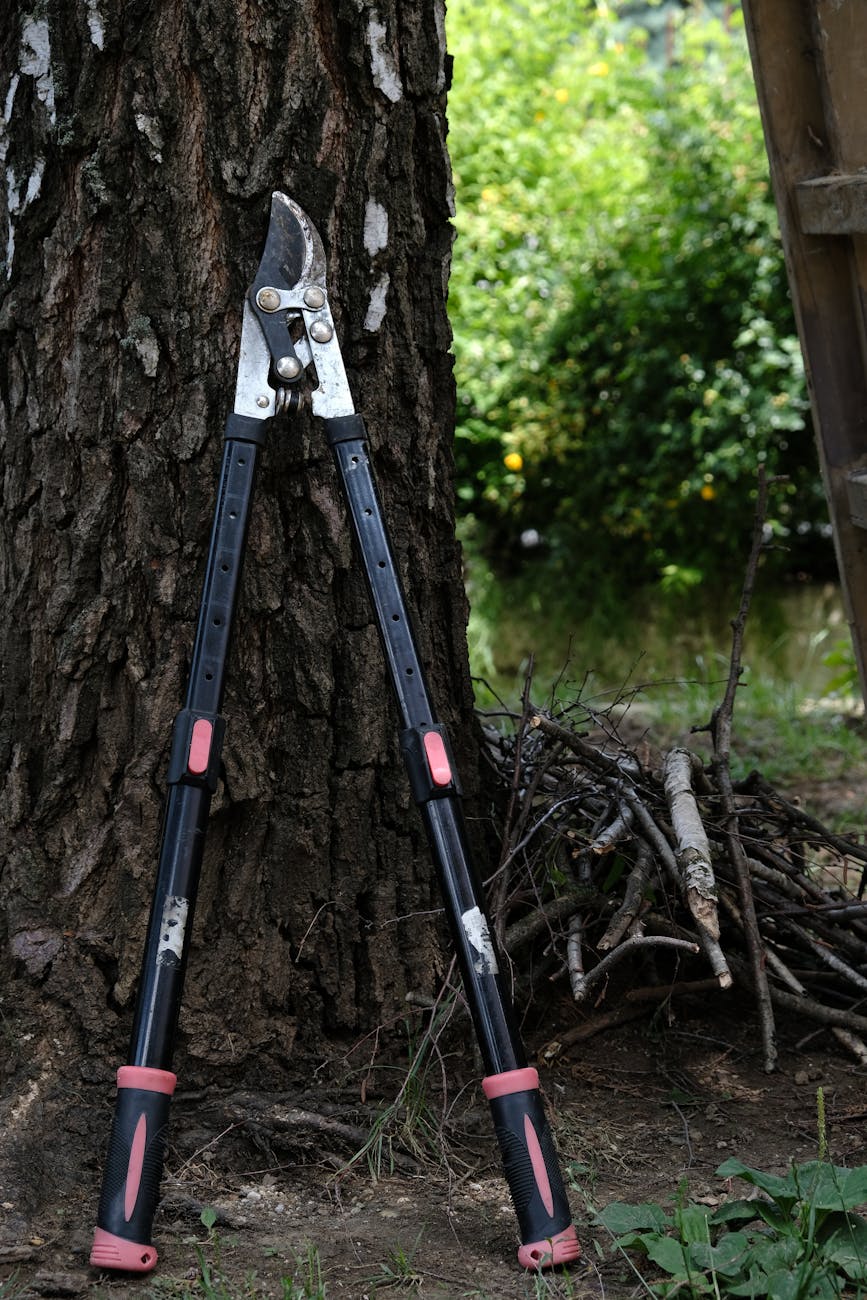
Another common pitfall is over-pruning, or pruning at the wrong time. Cutting back too hard into old wood, especially in late autumn, can remove the very growth that protects the plant's crown from frost. Or, pruning too late in the season can stimulate new, tender growth that simply won't have time to harden off before the frosts hit. I once got a bit overzealous with my thyme in October, thinking I was tidying it up, and a sudden cold snap in November wiped out a good portion of it. You want to give them enough time to recover and consolidate before the real chill sets in.
Then there's the issue of smothering. While protection is good, too much can be detrimental. Covering plants too tightly or with materials that don't allow for air circulation can lead to fungal diseases and rot, especially in our damp climate. It's a fine balance between keeping them warm and allowing them to breathe.
Here’s a quick comparison of some common winterizing mistakes I've encountered and the better approaches I've adopted in my UK garden:
| Common Mistake (What I've Done!) | Why It's a Problem in UK Climate | Randy's Best Practice for UK Winter |
|---|---|---|
| Overwatering Potted Herbs | Leads to root rot in cold, damp conditions; soil stays wet too long. | Reduce watering drastically; ensure excellent drainage; check soil moisture with a finger. |
| Pruning Too Late/Too Hard | Stimulates vulnerable new growth; removes insulating foliage; stresses plant. | Prune in late summer/early autumn (Rosemary/Sage) or after spring thaw (Thyme); avoid cutting into old wood. |
| Poor Drainage (Pots/Ground) | Waterlogging suffocates roots, promotes fungal diseases in persistent damp. | Use gritty compost; add grit to soil; ensure pots have large drainage holes and are off the ground. |
| Covering Too Tightly | Restricts airflow; traps humidity; creates ideal conditions for mould and rot. | Use breathable horticultural fleece; ensure covers allow air movement; remove on milder days. |
| Ignoring Wind Exposure | Cold, drying winds desiccate evergreen foliage; can snap brittle stems. | Place in sheltered spots; use windbreaks (fleece, brick wall); move pots to leeward side of house. |
| Leaving Potted Herbs on Ground | Direct contact with cold, wet patio/soil; poor drainage if holes get blocked. | Use pot feet to lift pots; place on gravel or paving slabs, not directly on soil. |
7. Ensuring a Bountiful Spring: Recap and Year-Round Herb Health Tips
So, there we have it – my tried-and-tested strategies for getting our beloved perennial culinary herbs like Rosemary, Thyme, and Sage through the often-challenging British winter. It might seem like a bit of effort, but trust me, when you're harvesting fresh sprigs in early spring while your neighbours are still waiting for theirs to recover, you'll know it was all worth it.
To quickly recap, the golden rules for winterizing these fantastic herbs in our UK climate boil down to a few key principles:
- Drainage, Drainage, Drainage: Whether in pots or the ground, excellent drainage is your first line of defence against the damp British winter. A gritty compost mix and raised beds are your friends here.
- Strategic Pruning: Get those main prunes done in late summer or early autumn for Rosemary and Sage, focusing on shaping and removing spent growth without cutting into old wood. For Thyme, a light trim in spring after the danger of frost has passed is often best.
- Targeted Protection: A good layer of grit or gravel mulch around the base is invaluable. For Rosemary and more tender Sages, be ready with horticultural fleece or move pots to a sheltered, unheated spot.
- Location Matters: Think about where your herbs are situated. Shelter from prevailing winds and maximum winter sun exposure can make a world of difference.
But winterizing isn't just a one-off task; it's part of a year-round commitment to healthy herbs. Throughout the growing season, consistent harvesting encourages bushier growth, regular feeding (lightly, with a balanced organic feed) keeps them strong, and keeping an eye out for pests and diseases ensures they go into winter in the best possible condition. Healthy plants are always more resilient.
Gardening, for me, is an endless cycle of learning, experimenting, and celebrating the small victories. I’ve found that dedicating a little time and thought to my herbs in autumn pays dividends when spring arrives. There's nothing quite like stepping out into my 800 sq ft Midlands garden and seeing my herbs burst back into life, promising another season of delicious homegrown flavour.
So, take these tips, adapt them to your own specific UK garden conditions – because every garden is unique, as I've certainly discovered in my own patch – and don't be afraid to experiment. Your efforts now will be rewarded with a bountiful harvest of fragrant, healthy herbs for years to come. Happy winterizing, fellow UK gardeners! I'd love to hear how you get on in your own gardens.
